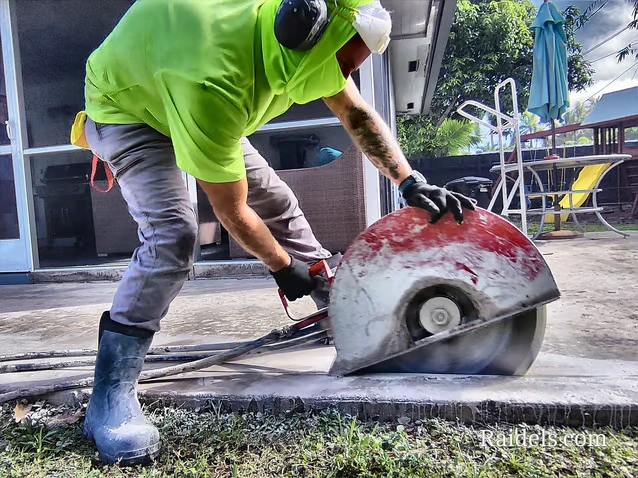
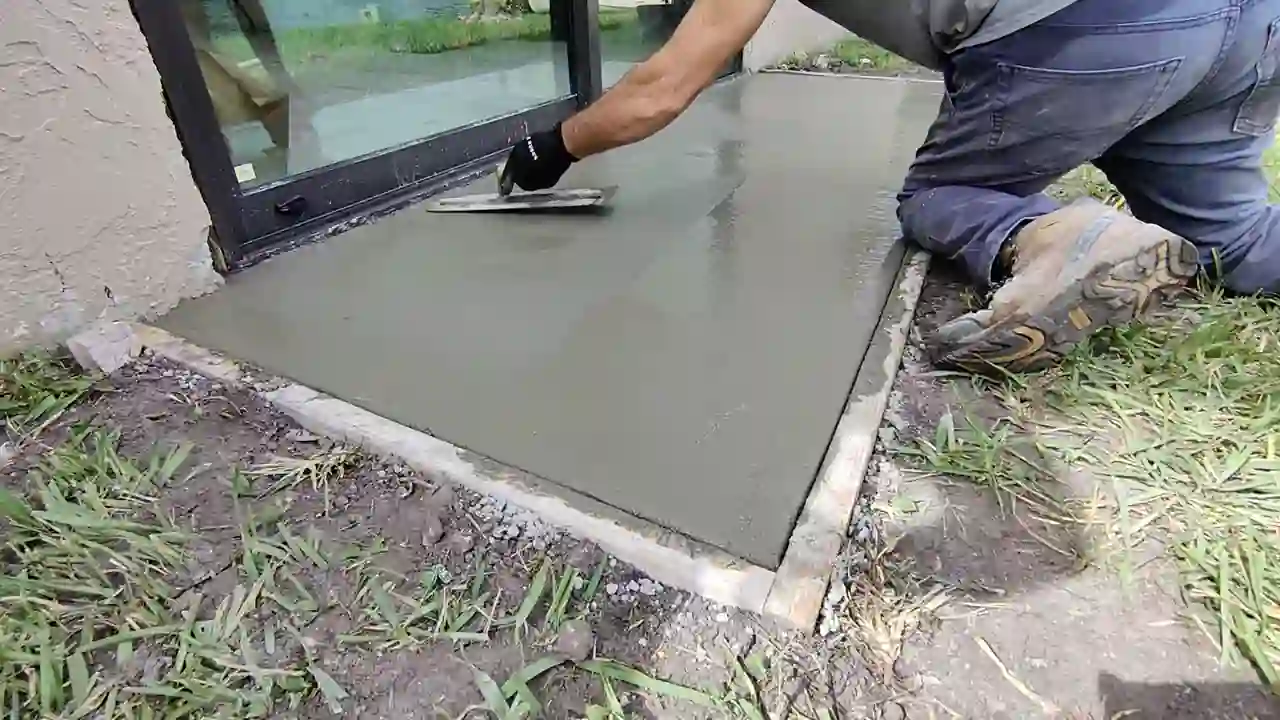
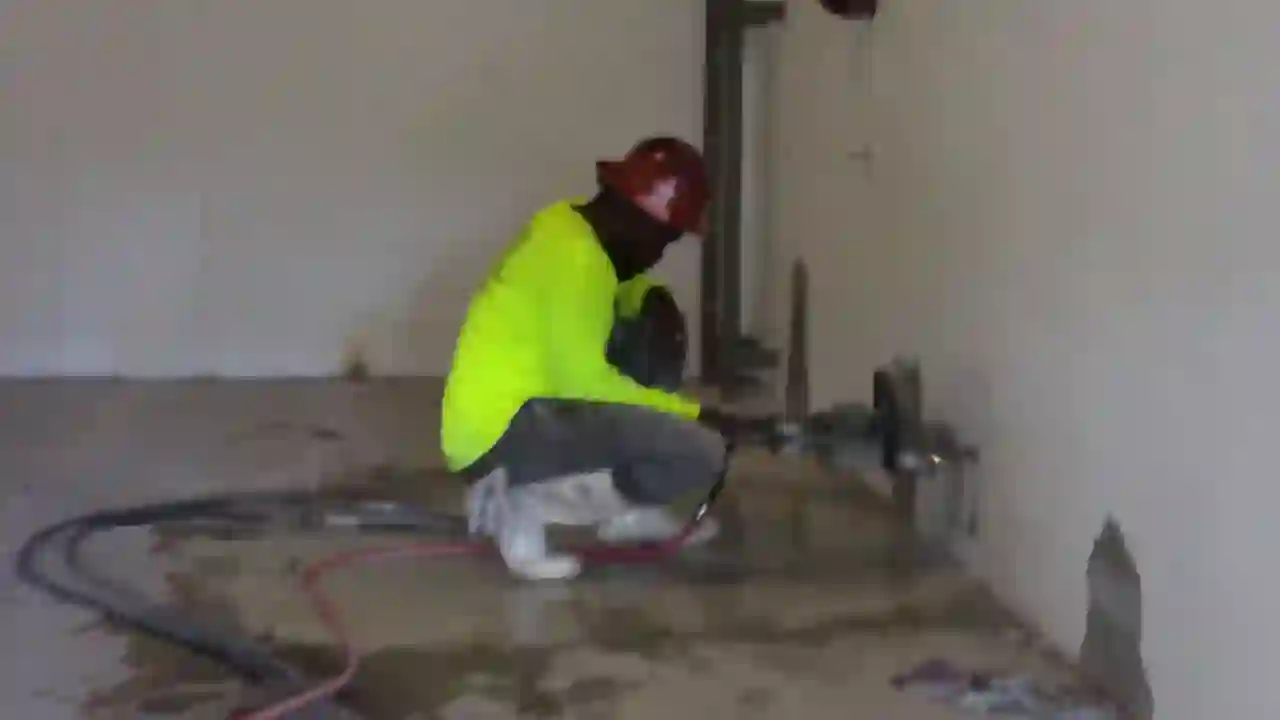
Most Miami homeowners underestimate what pool demolition actually involves until the jackhammers show up and the yard turns into a construction site
We get calls every week from property owners who received a pool demolition quote and want a second opinion. The range is wide because the scope varies dramatically. A full removal with engineered backfill on a 30-year-old gunite pool in Coral Gables bears zero resemblance to a partial fill-in on a fiberglass pool in Kendall. What surprises most people is that Miami-Dade County regulates pool demolition as a structural alteration — not a landscaping project. The permitting process exists because an improperly demolished pool creates a void that destabilizes the surrounding soil, and in South Florida, soil stability is always a negotiation with the water table. Before you sign anything, understand the two methods, what your municipality requires, and why the cheapest bid usually costs more in the long run.
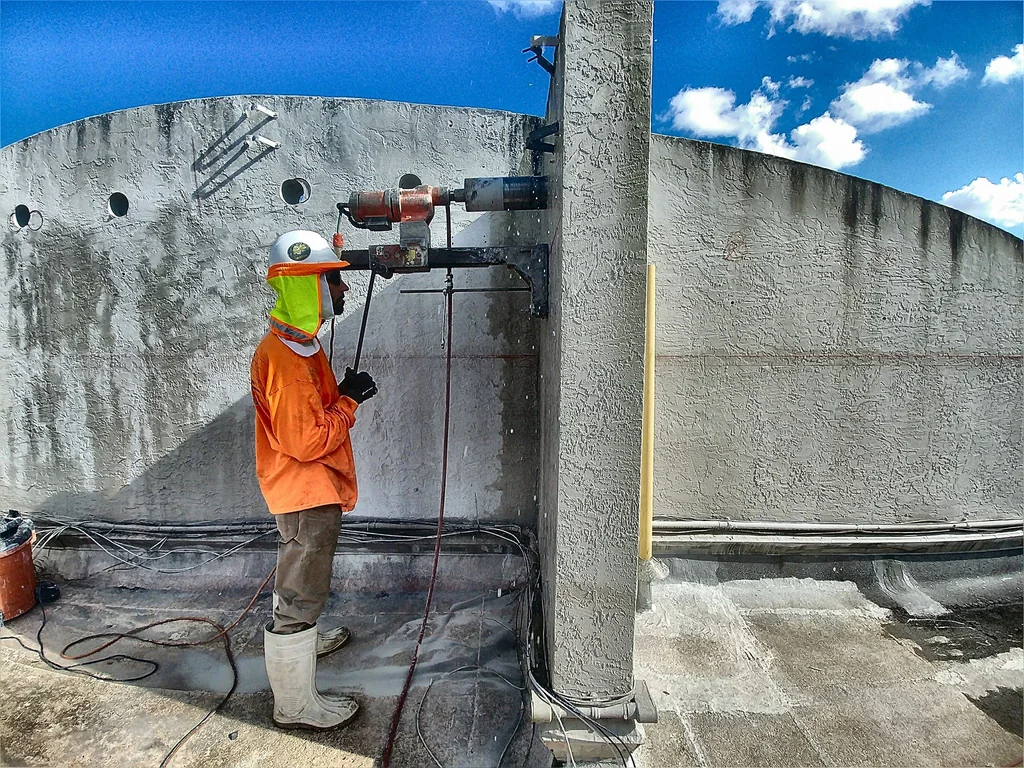
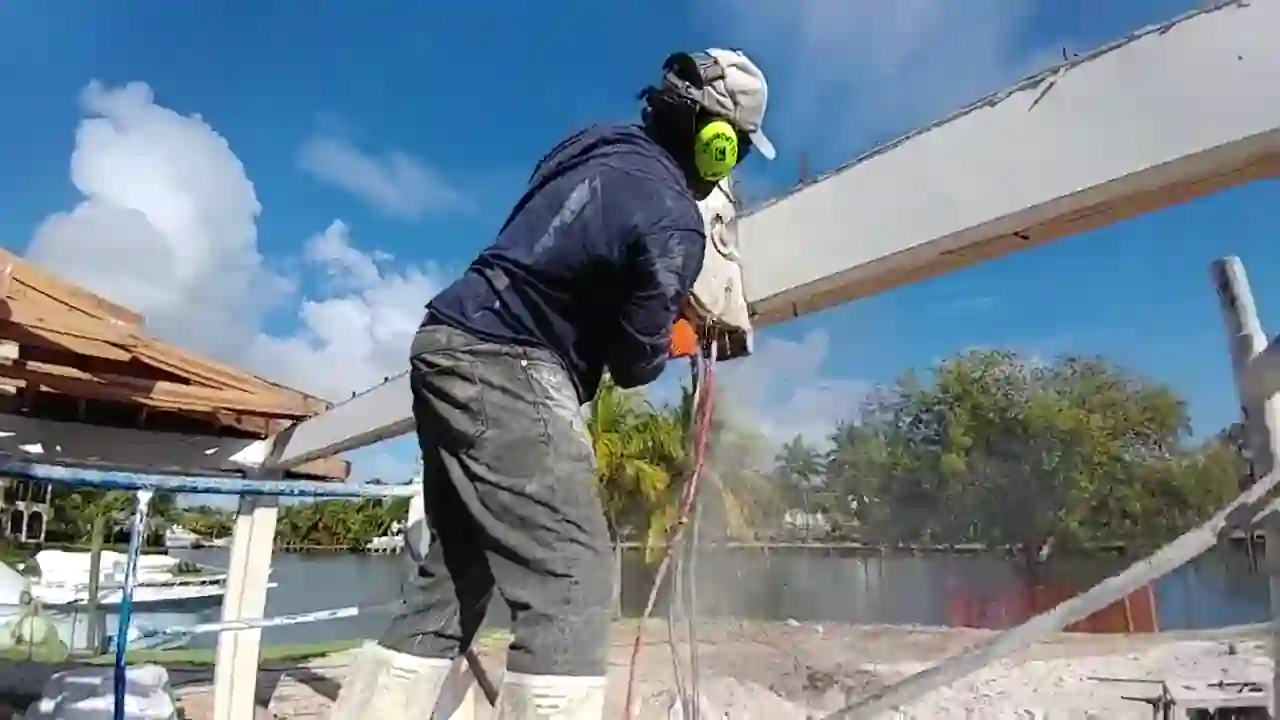
” alt=”Pool demolition contractor cutting concrete pool shell in Miami” style=”max-width:100%;height:auto;”/>
The two types of pool demolition produce radically different outcomes for your property
There is no single “pool demolition” service. The industry splits into two distinct approaches, and the one you choose determines what you can do with your yard afterward.
Partial removal (pool fill-in)
A partial removal — sometimes called a pool abandonment — breaks up the top 2-4 feet of the pool shell, punches drainage holes through the bottom, and backfills the cavity with compacted fill material. The remaining lower portion of the shell stays in the ground permanently. This is the faster and less expensive option, typically completed in 3-5 working days. The critical factor is drainage: Miami’s water table sits unusually high, so those drainage holes are mandatory. Without them, groundwater accumulates under the filled pool and turns the area into a sponge that can heave during wet season. You cannot build a permanent structure over a partially removed pool — no additions, no ADUs, no second-story expansions. Landscaping, patios, driveways, and pools (yes, new ones) are fine.
Full removal (complete extraction)
A full removal extracts every square foot of concrete, gunite, or fiberglass from the ground. That means breaking up and hauling away the entire shell, coping, stairs, and plumbing. Then the cavity gets engineered fill — typically clean compacted soil or flowable fill — placed in lifts and density-tested. This takes 5-10 working days and costs significantly more because you are paying for demolition labor, hauling 15-25 truckloads of debris, and engineered backfill. The payoff is that you can build anything on the site afterward, and your property disclosure no longer has a “buried pool” checkbox. For homeowners planning additions or concerned about resale value, this is the only option that fully resolves the liability.
Miami-Dade permitting requirements are not optional and skipping them creates a title problem that bites you at sale
Every municipality in South Florida requires a pool demolition permit before work begins. The permit triggers an inspection after demolition is complete, and that inspection produces a completion certificate that gets recorded against the property. When you eventually sell the house, the title search will flag the pool — and without that certificate, the buyer’s lender may refuse to fund. We have seen deals collapse at the closing table over unpermitted pool removals done by previous owners decades ago.
The permitting process typically requires:
- Site plan showing the pool location relative to property lines and structures
- Proposed fill method with compaction specifications
- Drainage plan demonstrating the filled area will not divert water onto neighboring properties
- Surveyor or engineer stamp for full removals in most municipalities
Some cities add requirements. Miami Beach and Coral Gables have historic preservation overlays that may require additional review. Unincorporated Miami-Dade follows county code but individual inspectors interpret it differently. A contractor who works your specific municipality regularly will know which inspector expects what. For a broader look at demolition services beyond pools, our demolition services page covers structural concrete removal across Miami-Dade.
The South Florida water table is the hidden variable that determines how your pool demolition actually goes
Most pool demolition guides are written for places where the water table is 20 feet down. In Miami, groundwater can sit 3-5 feet below grade — and in coastal neighborhoods like Edgewater, the Roads, or anything east of US-1, it can be even shallower during wet season. This changes everything about how the work proceeds.
When contractors break the pool shell and hit groundwater, they are now working in a saturated excavation. The fill material has to be placed and compacted while water is actively being pumped out. If compaction happens in wet conditions without proper dewatering, the fill settles unevenly over the next two rainy seasons and you end up with a depression in your yard. Worse, groundwater can push buried shell fragments upward through the fill over time — a phenomenon called hydrostatic uplift that is uniquely common in South Florida.
The right contractor arrives with trash pumps, dewatering hoses, and a plan for where the discharge goes. They know that pool demolition between May and October (wet season) requires different equipment and sequencing than between November and April (dry season). If a quote does not mention water management, ask about it directly. For pool removal that involves cutting the concrete shell with precision before breaking, our pool demolition and removal page explains how saw-cutting creates clean separation lines that make the structural work faster and safer.
What a pool demolition actually costs in Miami and why the range is so wide
Pool demolition pricing in Miami-Dade runs from roughly $6,000 to $25,000+. The spread exists because the variables are real:
- Pool size and material: Gunite and concrete are harder to break than fiberglass. A 600-square-foot pool costs more to demolish than a 300-square-foot one for obvious reasons.
- Access limitations: Can a Bobcat or mini-excavator drive into the backyard? If the only access is through a 4-foot side gate, everything happens with smaller equipment and hand labor, adding days to the job.
- Debris hauling distance: Concrete debris goes to specific disposal facilities. If the nearest one accepting pool demolition debris is 40 minutes away, trucking costs add up.
- Engineered fill requirements: A full removal with flowable fill and compaction testing costs substantially more than a partial fill-in with on-site soil.
- Permit and inspection fees: These vary by municipality but typically run $500-$1,500 for pool demolition permits in Miami-Dade.
A reputable contractor provides a line-item scope of work that specifies removal type, depth of shell breakage (for partial), fill material spec, dewatering plan, and exactly what is included in the price. If you are also considering other concrete work on the property — like replacing the pool deck or cutting new drainage — bundling those services with the same crew often reduces the combined cost. Our concrete cutting cost guide breaks down pricing across different types of concrete work in Miami.
What happens to your yard after the pool is gone — and the timeline most homeowners do not plan for
Demolition is the fast part. Getting your yard back is the long part. After the pool shell is broken, hauled, and the cavity is filled and compacted, you are left with a blank dirt rectangle. That dirt settles. Even with proper compaction, expect 1-3 inches of settlement over the first year as the fill consolidates and the water table does its seasonal dance. Most contractors recommend waiting 3-6 months before installing hardscape (pavers, concrete slabs) over a filled pool. Sod can go down immediately and helps stabilize the soil surface.
The key thing to understand is that a demolished pool site is not “undeveloped land” — it is engineered fill over an excavation. It behaves differently than undisturbed soil. Water percolates at different rates. Grass may grow differently in that rectangle for the first two seasons. If you plant a tree on it, roots will hit the compacted fill and spread laterally instead of down. None of this is a problem — it just means the landscaping plan should account for what is underground.
For homeowners considering other structural concrete work alongside pool removal — replacing the coping, re-pouring a patio, or cutting new drainage channels — our slab sawing services handle precision cuts on existing concrete surfaces without damaging surrounding areas.
How to vet a pool demolition contractor in 10 minutes
Pool demolition is not like other home improvement projects. You cannot see the finished product — the work is underground. That means you are hiring based on process, documentation, and reputation rather than an observable result. Here is what to check before you hire:
- Verify their Miami-Dade license — pool demolition contractors need a General Building Contractor (CGC) or Building Contractor (CBC) license. Look it up on the DBPR website while you are on the phone with them.
- Ask who handles the permit — the contractor should pull the permit in their name with their insurance attached. If they suggest you pull it as an owner-builder, that is a red flag that they are unlicensed.
- Demand a written dewatering plan — even if it is two sentences. The plan should say where pumped water goes (storm drain, street, on-site percolation) and confirm it will not flood your neighbor.
- Check their disposal method — concrete pool debris is heavy. Ask which disposal facility they use and verify it accepts construction debris. Illegal dumping fines attach to the property owner in Miami-Dade.
- Get the timeline with weather contingencies — a contractor who says “3 days guaranteed” during August has never worked a Miami wet season. The real answer includes rain days and pump logistics.
For any concrete cutting work that pairs with pool removal — saw-cutting the surrounding deck, removing concrete coping cleanly, or cutting trenches for new drainage around the fill zone — reach out through our contact page for a site evaluation.

” alt=”Heavy equipment demolishing inground concrete pool in Miami Florida backyard” style=”max-width:100%;height:auto;”/>