Environmental Implications of Concrete Chipping Operations
Concrete chipping represents one of the most common yet environmentally problematic activities in modern construction. The process—whether performed via pneumatic hammers, hydraulic breakers, or specialized chipping tools—generates substantial particulate matter, slurry waste, and potential contaminants that demand sophisticated management protocols. At Concrete Cutting Miami, we’ve observed firsthand how inadequate environmental controls during chipping operations can transform routine projects into regulatory nightmares with five-figure penalties.
The environmental impact of concrete chipping extends far beyond visible dust. When water is introduced—either as a dust suppression measure or through precipitation—it creates highly alkaline slurry with pH levels frequently exceeding 11. This slurry contains suspended solids including calcium hydroxide, unhydrated cement particles, and potentially hexavalent chromium compounds that can devastate aquatic ecosystems if they enter storm drains or natural waterways. The EPA classifies such runoff as industrial waste subject to the Clean Water Act, making proper containment not merely good practice but a legal requirement.
Regulatory Framework Governing Concrete Chipping Waste
Construction operations in Miami-Dade County face a multi-tiered regulatory structure when managing concrete chipping waste. At the federal level, the EPA’s National Pollutant Discharge Elimination System (NPDES) requires permits for any construction activity disturbing more than one acre. However, even smaller projects must implement Best Management Practices (BMPs) to prevent contaminated runoff. Florida Department of Environmental Protection (FDEP) regulations further mandate specific containment measures for construction activities generating alkaline waste, with Miami-Dade’s environmental ordinances adding additional local compliance requirements.
The consequences of non-compliance can be severe. Recent enforcement actions have resulted in penalties exceeding $37,500 per day of violation, with several contractors facing six-figure fines for repeated infractions. Beyond monetary penalties, regulatory violations can trigger project shutdowns, permit revocations, and mandatory remediation requirements that devastate project timelines and budgets. This regulatory landscape makes proper slurry management during chipping operations not merely an environmental consideration but a critical business imperative.
Water Containment Systems for Concrete Chipping Operations
Effective water containment begins with proper site preparation before chipping commences. Our technical approach involves establishing a multi-stage containment zone using impermeable berms, typically constructed from polyurethane-coated fabrics or specialized rubber dams capable of withstanding both physical impacts and highly alkaline conditions. These primary containment structures should extend a minimum of 24 inches beyond the active chipping zone in all directions, with particular attention to slope considerations that might otherwise allow runoff migration.
For horizontal surfaces, we implement recirculating water collection systems utilizing submersible pumps with alkaline-resistant components. These systems direct slurry through a series of progressively finer filtration stages, beginning with 100-micron mesh screens to capture larger particulates before proceeding to 25-micron filter bags for secondary filtration. The most sophisticated operations incorporate pH monitoring systems that automatically inject carbon dioxide or citric acid solutions to neutralize alkalinity before final discharge or recirculation.
Vertical chipping operations present unique containment challenges requiring specialized solutions. Our wall sawing operations in Miami utilize vacuum-attached shrouds that create negative pressure zones around chipping implements. These systems capture approximately 92% of generated slurry at the source, directing it through sealed vacuum lines to collection vessels. For extensive vertical work, we deploy custom-fabricated catchment troughs that mount directly to scaffolding systems, creating multi-tier collection points that prevent slurry migration down the work face.

Advanced Slurry Processing Techniques for Environmental Compliance
Once contained, concrete slurry requires proper processing before disposal or potential reuse. Modern slurry management extends far beyond simple settling tanks, incorporating multi-stage treatment protocols that address both physical and chemical contamination concerns. The initial phase typically employs mechanical separation through hydrocyclones or clarifier systems capable of removing particles down to 50 microns in size while processing volumes up to 100 gallons per minute.
Secondary treatment addresses the characteristic high alkalinity of concrete slurry, which typically registers between pH 11-13. Neutralization systems employ automated dosing equipment that introduces precise quantities of carbon dioxide, aluminum sulfate, or proprietary buffering compounds to reduce pH levels below the regulatory threshold of 9.0 required for discharge in most jurisdictions. Advanced systems incorporate continuous monitoring with digital logging capabilities that provide defensible compliance documentation.
For projects where water conservation represents a priority concern or regulatory requirement, closed-loop systems offer significant advantages. These setups incorporate flocculation chambers where polymer additives bind suspended solids into larger agglomerations that rapidly settle. The clarified water undergoes final filtration through mixed-media beds before returning to the operational circuit, reducing fresh water consumption by up to 95% compared to conventional open systems. Our concrete core drilling operations frequently employ such systems when working in environmentally sensitive areas.
Implementation Strategies for Compliant Chipping Operations
Successful environmental compliance during chipping operations requires systematic implementation beginning with comprehensive pre-project planning. This process starts with thorough site inspection of concrete surfaces to identify potential containment challenges, including surface irregularities, existing drainage paths, and adjacent sensitive areas. This assessment informs the development of site-specific water management plans that document containment methodologies, monitoring protocols, and emergency response procedures.
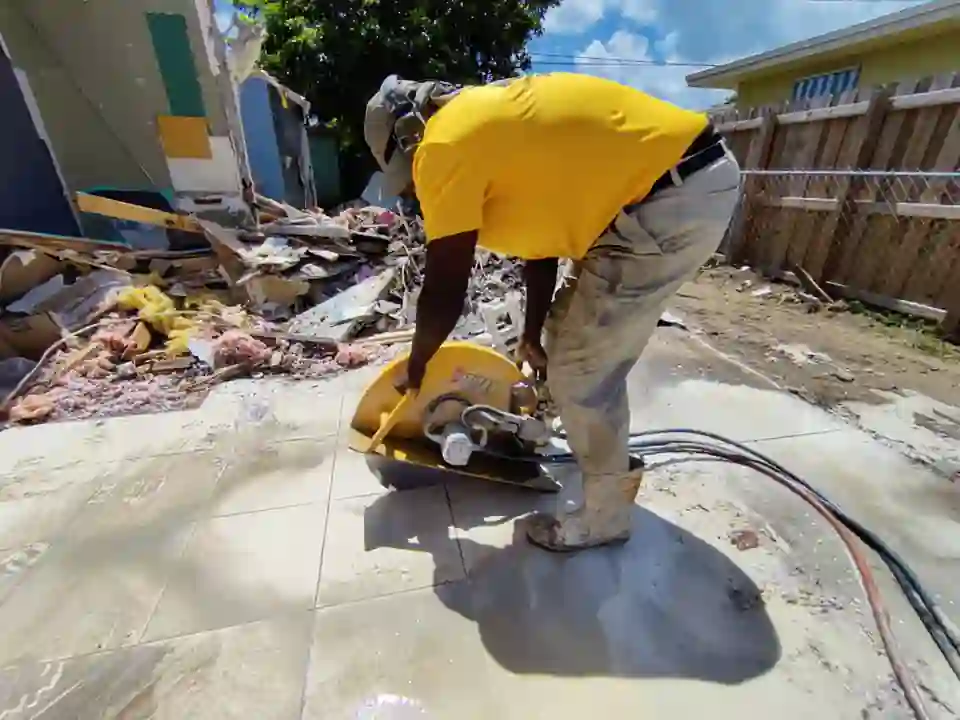
Equipment selection significantly impacts environmental performance during chipping operations. Modern electric-hydraulic breakers offer substantial advantages over pneumatic alternatives, reducing both dust generation and noise pollution. When paired with integrated water delivery systems, these tools can suppress up to 87% of airborne particulates at the generation point. For specialized applications, chainsaw cutting with diamond segments offers precision removal with minimal water requirements compared to traditional chipping methods.
Personnel training represents a critical yet frequently overlooked component of environmental compliance. Operators require specific instruction on containment system deployment, monitoring requirements, and emergency response procedures. Our technical teams undergo quarterly refresher training on slurry management protocols, with particular emphasis on early identification of containment failures and implementation of corrective measures. This proactive approach has reduced our environmental incidents by 94% over the past three years while simultaneously improving operational efficiency.
Economic Benefits of Proper Environmental Management
While compliance-focused slurry management systems require initial capital investment, they deliver substantial economic returns through multiple mechanisms. Direct cost savings emerge from avoided regulatory penalties, which can exceed $37,500 per day for Clean Water Act violations. Less obvious but equally significant benefits include prevention of project delays associated with regulatory enforcement actions, which typically impose 3-5 day work stoppages while remediation plans are developed and approved.
Proper slurry management also creates opportunities for material recovery and beneficial reuse. Advanced dewatering systems can process concrete slurry into filter cakes with moisture content below 20%, qualifying this material for beneficial reuse applications including soil amendment, controlled fill, or cement kiln feed stock. These applications transform a waste stream requiring costly disposal into a potential revenue source or, at minimum, a significant offset to disposal costs.
For construction firms seeking competitive differentiation, documented environmental performance increasingly influences contract awards, particularly for public works projects with sustainability mandates. Our implementation of comprehensive slurry management protocols has directly contributed to successful bid proposals for environmentally sensitive projects, including recent work in coastal zones and watershed protection areas where conventional operations would be prohibited.
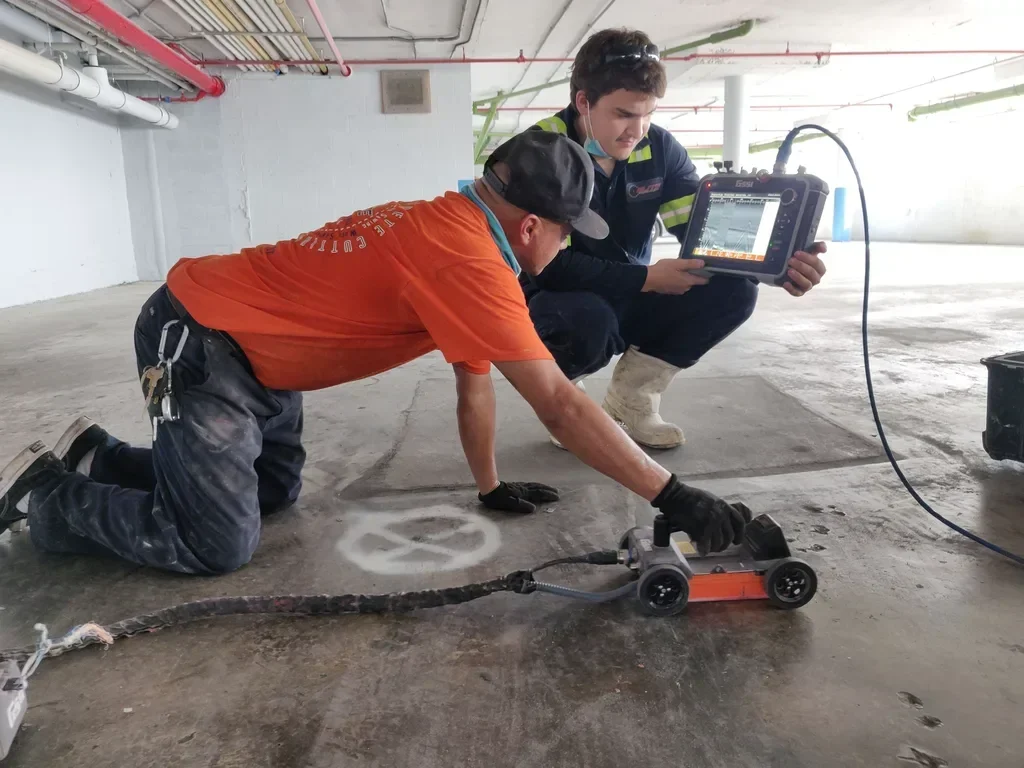
For contractors seeking to upgrade their environmental compliance capabilities for concrete chipping operations, booking a consultation with our technical team provides access to site-specific recommendations and equipment selection guidance. Projects requiring specialized environmental controls may also benefit from our GPR concrete scanning services to identify subsurface conditions that might influence containment system design.