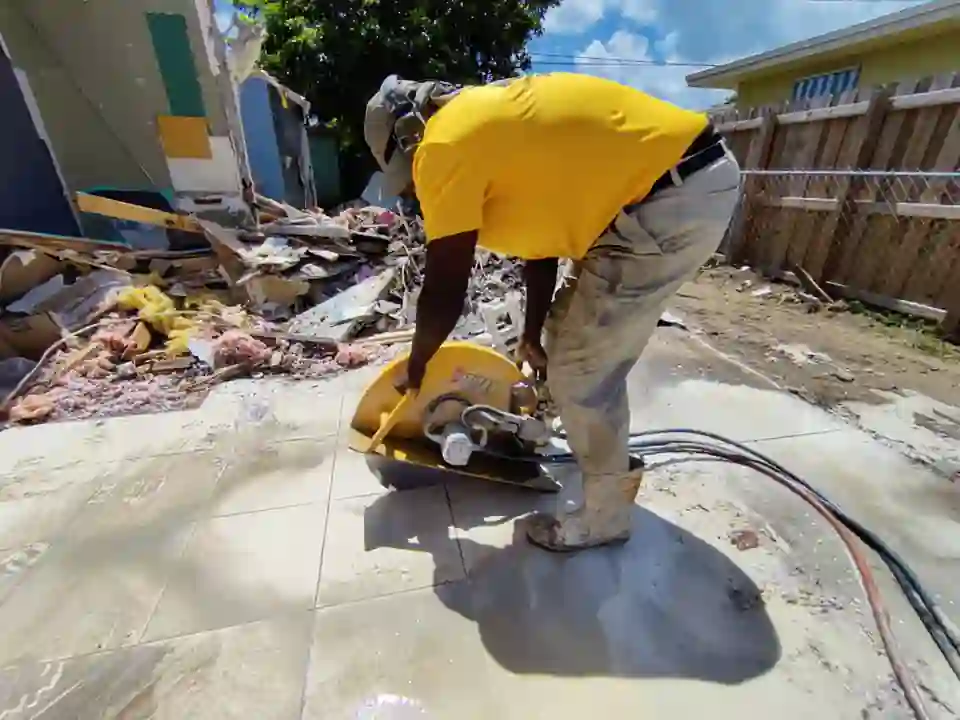
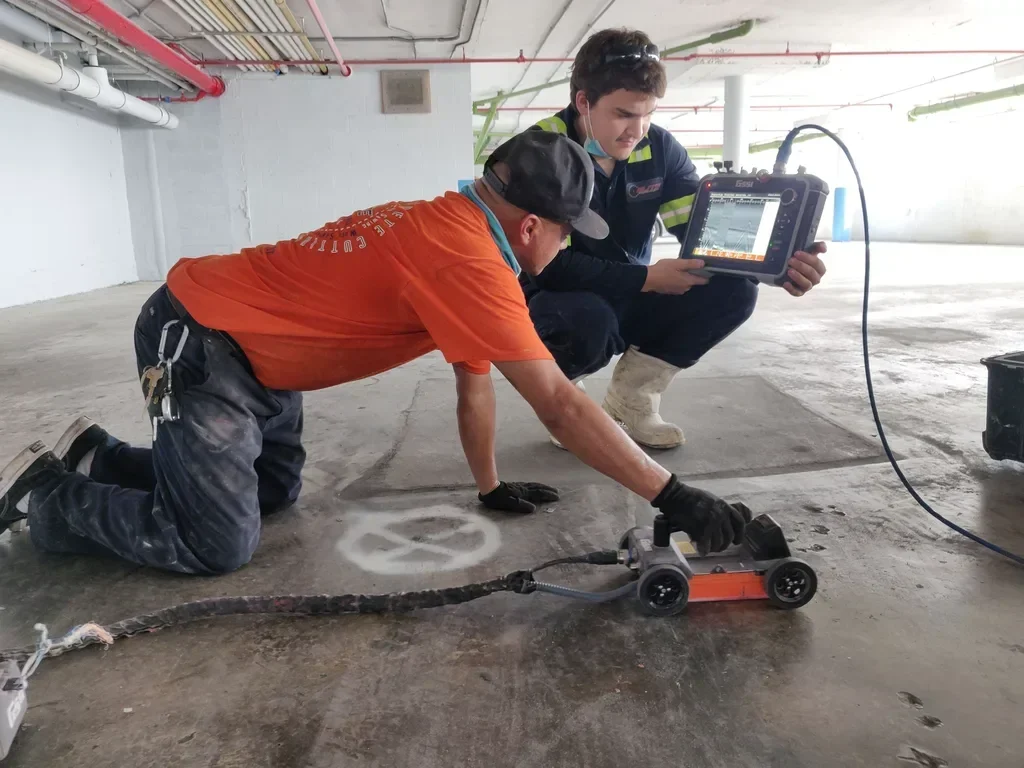
Technical Specifications for Modern Concrete Chipping Equipment
Concrete chipping represents one of the most technically demanding specializations within the concrete modification industry. The process involves the precise removal of concrete material without compromising surrounding structural integrity—a task requiring specialized equipment, diamond tooling expertise, and meticulous blade selection. At Concrete Cutting Miami, our technicians rely on exacting equipment specifications to deliver precision results across commercial and residential applications.
This comprehensive analysis examines the critical technical parameters that govern equipment selection, diamond tooling configuration, and blade technology for concrete chipping operations. Understanding these specifications enables contractors to optimize performance while minimizing equipment wear and structural damage during concrete removal processes.
Hydraulic Breaker Classifications and Power-to-Weight Ratios
The foundation of effective concrete chipping begins with appropriate hydraulic breaker selection. Modern breakers are classified according to their energy class ratings, typically measured in joules, with specifications ranging from 50J for precision work to 5000J+ for heavy demolition. The critical performance metric for these tools is the power-to-weight ratio, which determines both maneuverability and impact force.
Current industry-leading hydraulic breakers feature the following technical specifications:
- Light-duty breakers (50-500J): Weight range of 20-150kg with operating pressures of 80-100 bar, ideal for precision chipping and thin concrete removal
- Medium-duty breakers (500-1500J): Weight range of 150-350kg with operating pressures of 100-140 bar, suitable for standard reinforced concrete chipping
- Heavy-duty breakers (1500J+): Weight range of 350-1000kg with operating pressures of 140-180 bar, designed for mass concrete removal and demolition
The hydraulic flow requirements for these systems typically range from 15-120 liters per minute, with optimal performance achieved when the carrier machine provides a 10% flow margin above minimum specifications. When working with rebar-reinforced concrete, selecting the appropriate breaker class becomes even more critical, as discussed in our guide on cutting concrete with rebar.
Impact Frequency Optimization for Material Density
The blow rate or impact frequency of hydraulic breakers represents a critical specification that must be matched to concrete density and compressive strength. Modern equipment allows for variable frequency adjustments within these parameters:
- Low-density concrete (2000-3000 psi): 700-900 blows per minute
- Medium-density concrete (3000-5000 psi): 500-700 blows per minute
- High-density concrete (5000+ psi): 300-500 blows per minute
Optimizing impact frequency prevents premature tool wear and ensures efficient energy transfer into the concrete matrix. Our technical field analysis demonstrates that mismatched frequency settings can reduce chipping efficiency by up to 40% while increasing tool wear by 60-75%.

Diamond Tooling Segment Configuration and Bond Hardness
The diamond tooling used in concrete chipping operations requires precise specification matching to substrate characteristics. The primary technical parameters include segment configuration, diamond concentration, and bond hardness matrix.
Modern diamond segments for concrete chipping tools feature the following specifications:
- Segment height: 7-15mm with higher segments providing extended service life for abrasive applications
- Diamond concentration: Measured in carats per cubic centimeter (ct/cm³), ranging from 15-40 ct/cm³
- Bond hardness: Scaled from super-soft (5-6) to extra-hard (12-13) based on concrete abrasiveness
- Diamond mesh size: 30/40 for general purpose to 80/100 for fine-finish applications
For Miami’s prevalent limestone-aggregate concrete, we typically specify diamond tooling with a concentration of 25-30 ct/cm³ and bond hardness of 8-10. This configuration balances diamond exposure rate with segment longevity for optimal performance in our regional concrete compositions.
Diamond Segment Geometry for Specialized Applications
The geometric configuration of diamond segments dramatically impacts chipping performance. Technical specifications for segment geometry include:
- Trapezoidal segments: 30-40° side angles for aggressive material removal
- Rectangular segments: 90° angles for precision edge definition
- Turbo segments: Continuous rim with 5-7mm gullet depth for heat dissipation
- Sandwich segments: Alternating hard/soft bond layers for self-sharpening action
When chipping concrete adjacent to embedded utilities or structural elements, segment geometry selection becomes critical for maintaining control and preventing overcuts. Our technicians follow strict concrete cutting safety protocols that specify geometry requirements based on proximity to sensitive infrastructure.
Blade Core Specifications and Arbor Configurations
The blade core represents the foundation of any concrete chipping system, with technical specifications governing performance under load. Modern blade cores feature these critical parameters:
- Core thickness: 2.0-4.5mm with thicker cores providing stability for deep chipping
- Tensile strength: 580-720 N/mm² for premium blades
- Lateral runout tolerance: Maximum 0.05mm for precision applications
- Arbor configurations: 20mm, 25.4mm (1″), and 30mm with multi-pin drive systems
Core stability directly impacts chipping precision, with lateral deflection under load potentially creating undercutting or overcutting of the specified removal depth. For critical infrastructure projects, we utilize cores with tensile strength ratings above 650 N/mm² and maximum runout tolerances of 0.03mm to ensure dimensional accuracy.
Cooling Channel Design and Thermal Load Management
Heat dissipation represents a critical factor in diamond blade performance during concrete chipping operations. Blade cores incorporate specialized cooling channels with these specifications:
- Laser-cut cooling slots: 1.2-2.5mm width with 30-45° orientation to blade rotation
- Undercut protection segments: 2-3mm undercut with 0.5-0.7mm clearance
- Copper heat-sink plugs: 3-5mm diameter with thermal conductivity of 385 W/(m·K)
These thermal management systems prevent premature bond breakdown and diamond pullout during intensive chipping operations. The importance of proper cooling cannot be overstated, as it directly relates to silica dust control and respiratory health concerns that arise during dry-cutting operations.
Equipment Matching Matrix for Optimal Performance
Achieving peak performance in concrete chipping operations requires precise matching of equipment specifications across the entire tooling chain. Our technical specifications matrix accounts for these critical relationships:
- Power source output (hydraulic/electric/pneumatic) to tool input requirements (±5% tolerance)
- Tool impact energy to blade/bit tensile strength rating (minimum 1.5x safety factor)
- Diamond segment bond hardness to concrete abrasiveness index (correlation coefficient >0.85)
- Cooling system capacity to thermal load generation (minimum 20% overhead capacity)
This integrated approach to equipment specification ensures that each component in the concrete chipping system operates within its optimal performance envelope. During holiday periods like Thanksgiving, when emergency concrete chipping services may be required, having properly matched equipment becomes even more critical for rapid deployment.
For contractors seeking to enhance their concrete chipping capabilities, understanding these technical specifications provides the foundation for equipment selection and operational protocols. By adhering to these exacting standards, Miami’s concrete professionals can achieve superior results while maintaining compliance with safe demolition practices throughout the concrete removal process.

The technical specifications outlined in this analysis represent the current industry standards for concrete chipping operations in South Florida. As materials science and equipment technology continue to evolve, these parameters will undergo refinement to address emerging challenges in concrete removal applications. Professional contractors must maintain current knowledge of these specifications to deliver optimal performance in increasingly demanding construction environments.