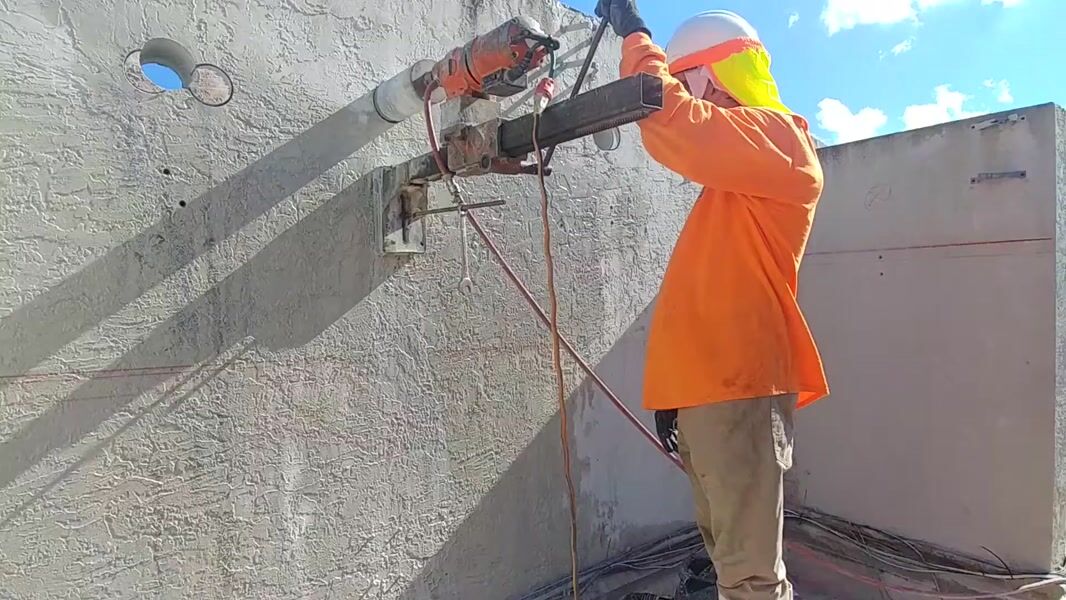
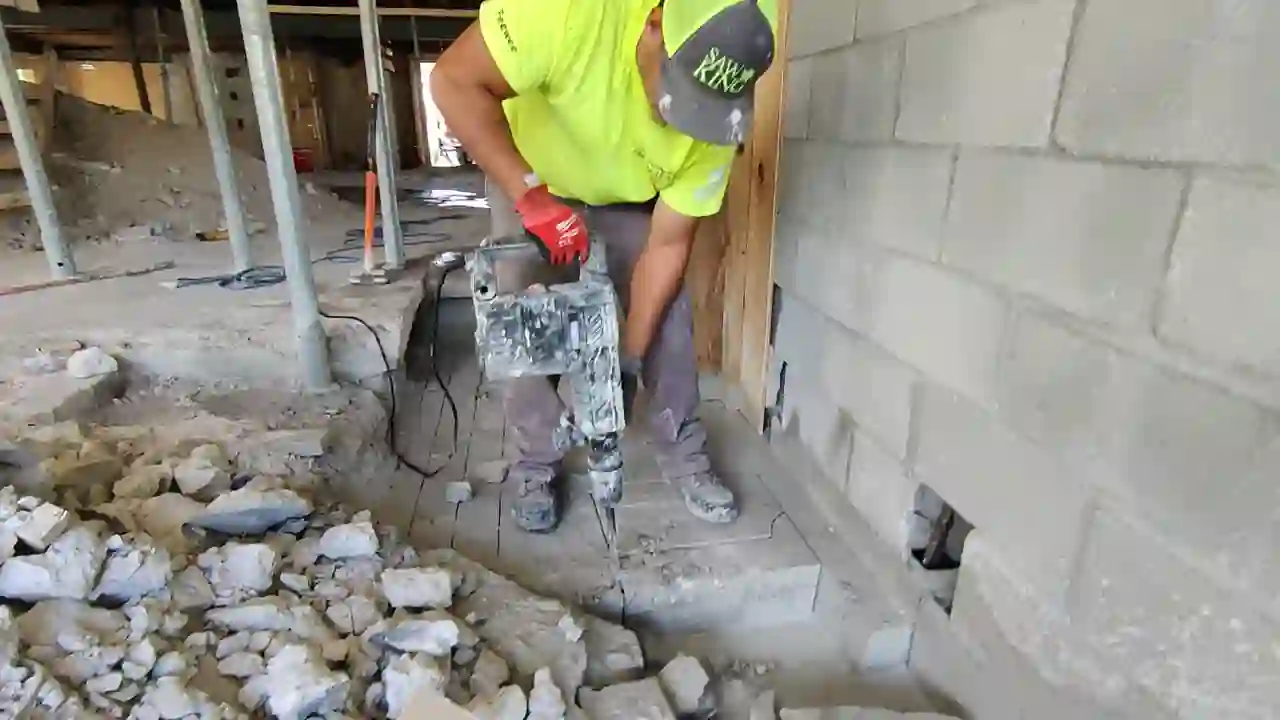
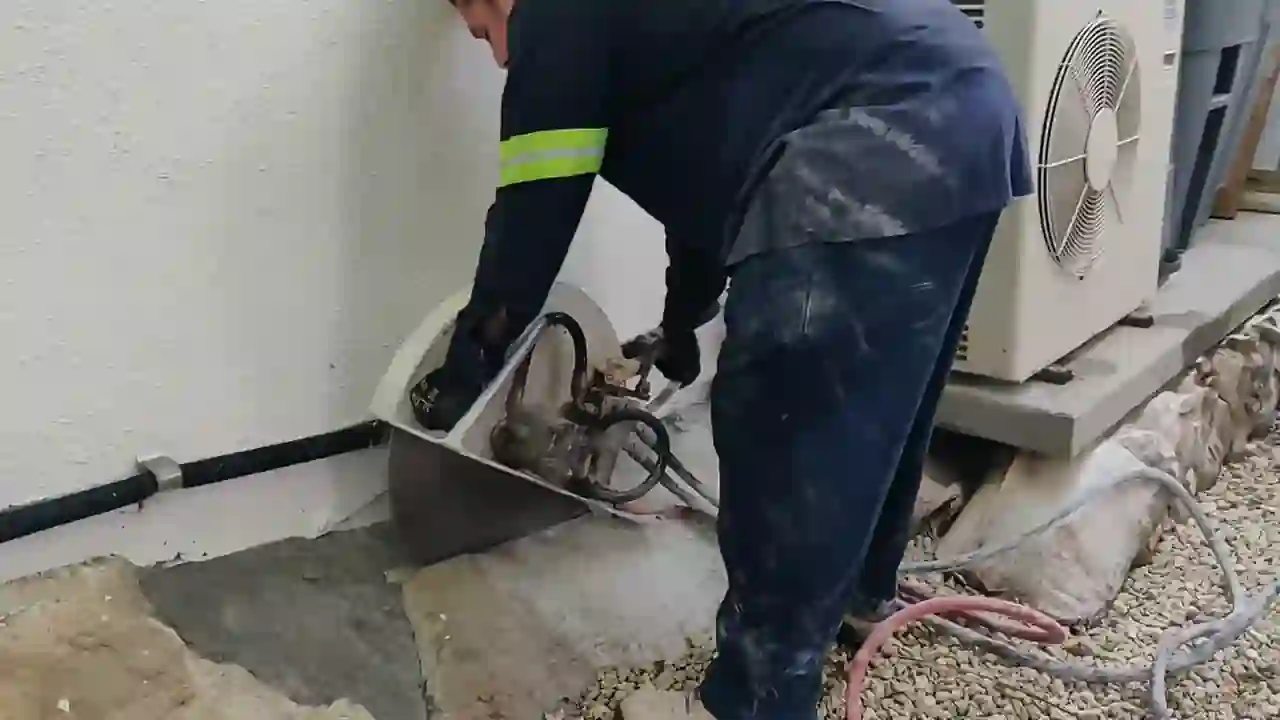
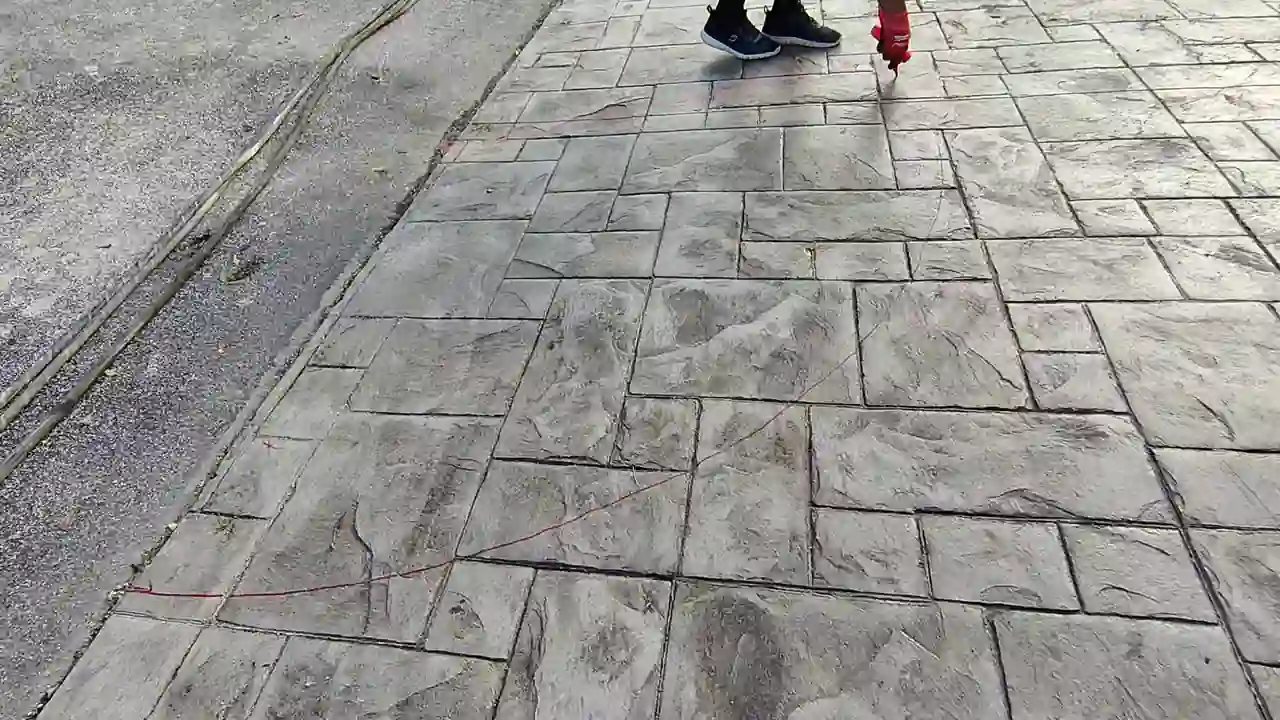
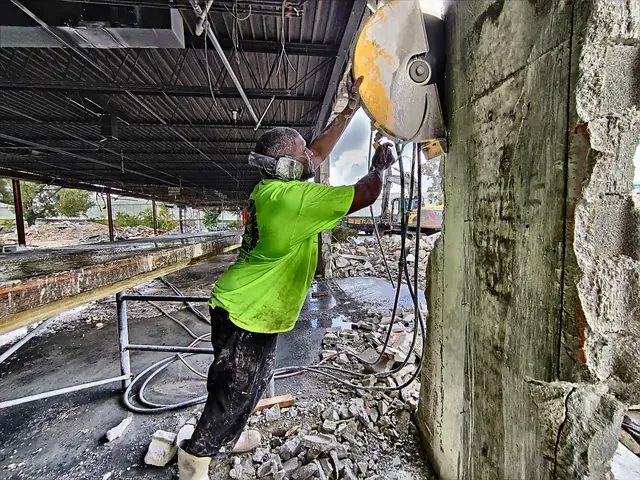
Breaking up a thick concrete slab by hand isn’t just physically demanding—it’s a high-risk activity that requires strict adherence to safety protocols. As a professional concrete contractor with over 25 years in the field, I’ve witnessed the consequences of improper demolition practices. When approaching manual concrete removal , your primary concern should always be safety compliance, particularly with OSHA standards designed to protect workers from serious hazards.
While mechanical methods are typically preferred for large-scale demolition, certain situations necessitate breaking concrete manually. Restricted access areas, small-scale renovations, or projects with limited budgets may require hand demolition. This article examines how to safely break thick concrete slabs by hand while maintaining full OSHA compliance and minimizing workplace hazards.
Essential Personal Protective Equipment (PPE) Before picking up any tool, proper PPE must be in place. OSHA regulation 29 CFR 1926.102 mandates specific protection for concrete demolition work:
Respiratory Protection: OSHA’s Respirable Crystalline Silica standard (29 CFR 1926.1153) requires appropriate respirators rated for silica dust. N95 masks are minimum protection, while powered air-purifying respirators (PAPRs) offer superior protection for extended work.Eye Protection: ANSI Z87.1-rated safety glasses with side shields or full-face shields to protect against concrete fragments.Hearing Protection: Earplugs or earmuffs with appropriate Noise Reduction Rating (NRR) for demolition work (typically 25+ NRR).Hand Protection: Vibration-dampening gloves that meet ANSI/ISEA 105-2016 standards to prevent Hand-Arm Vibration Syndrome (HAVS).Foot Protection: Steel-toed boots with metatarsal guards meeting ASTM F2413 standards.Head Protection: ANSI Z89.1 Type I or II hard hats.Remember, inadequate PPE is the most common OSHA citation in concrete demolition work. For more detailed information on environmental compliance requirements, visit our Environmental Compliance Miami resource page.
Silica Dust Exposure Prevention Silica dust represents one of the most serious hazards when breaking concrete by hand. OSHA’s silica standard requires implementing engineering controls before relying on respiratory protection. When manually breaking concrete, this means:
Wet methods: Keeping the work area continuously damp with water spray to suppress dust HEPA-filtered vacuum systems for dust collection Proper ventilation in enclosed spaces Establishing regulated areas with limited access for non-protected workers Medical surveillance for workers regularly exposed to silica dust These measures aren’t just regulatory requirements—they prevent silicosis, a debilitating and potentially fatal lung disease with no cure. Our team frequently incorporates these dust control measures in concrete chipping projects to maintain OSHA compliance.
Manual Concrete Breaking Tools and Safety Protocols Selecting the right tools for manual concrete demolition impacts both safety and efficiency. OSHA requires tools to be inspected before each use and maintained according to manufacturer specifications.
Sledgehammers and Hand Safety For slabs up to 4 inches thick, a sledgehammer (8-20 pounds) can be effective:
Inspect handles for cracks or splinters before each use Maintain proper stance with feet shoulder-width apart Use full-body mechanics rather than just arm strength Implement mandatory rest periods (10 minutes per hour minimum) Rotate workers to prevent repetitive stress injuries Never exceed the 8-hour vibration exposure limit set by OSHA For thicker slabs, sledgehammers alone become inefficient and increase injury risk. You’ll find more information about appropriate tool selection in our Tools & Equipment guide .
Masonry Chisels and Pry Bars Cold chisels and pry bars are essential for breaking concrete after initial fracturing:
Use only chisels with properly mushroomed heads to prevent flying metal fragments Hold chisels at 70-degree angles along predetermined breaking lines Never use excessive force on pry bars—leverage should do the work Inspect for metal fatigue or bending before each use These hand tools are particularly useful when working on pool renovation projects where precision is required and power tool access may be limited.
Ergonomic Considerations and Injury Prevention Manual concrete breaking poses significant ergonomic hazards. OSHA’s General Duty Clause requires employers to provide workplaces free from recognized hazards, including ergonomic risks:
Implement mandatory job rotation every 30 minutes Require proper lifting technique training (bend knees, straight back) Limit continuous sledgehammer use to 15-minute intervals Maintain tool handles at proper working height (between hip and chest level) Schedule regular breaks with stretching protocols Workers should be trained to recognize early symptoms of musculoskeletal disorders and report them immediately. These ergonomic considerations are particularly important in confined spaces like loading dock pit expansions .
Jobsite Setup and Hazard Control Zones Before breaking begins, establish a proper work zone following OSHA’s requirements:
Demarcate a minimum 20-foot safety perimeter with caution tape or barriers Post appropriate hazard warning signs (flying debris, noise, silica dust) Designate clean and contaminated areas to prevent dust spread Ensure proper lighting (minimum 5 foot-candles for general work areas) Establish emergency response protocols and evacuation routes Identify nearest emergency eyewash station and first aid kit location For larger projects, consider creating a detailed site safety plan as outlined in our Concrete Removal Miami guide.
Pre-Breaking Inspection and Planning Before striking the first blow, OSHA requires hazard assessment:
Verify no electrical conduits, water pipes, or gas lines run through the concrete Check for load-bearing status of the slab Determine concrete thickness and reinforcement type (rebar, wire mesh, fiber) Create a breaking pattern that minimizes large, unwieldy pieces Establish debris removal pathways and containment areas This pre-work assessment prevents unexpected hazards that could lead to serious injuries or utility disruptions.
Manual Breaking Technique for Maximum Safety When you’re ready to begin breaking, follow these OSHA-compliant techniques:
Score breaking lines with a circular saw equipped with a diamond blade (with appropriate dust control) Begin at edges or existing cracks, working inward Strike at 45-degree angles rather than perpendicular to the surface Work in a methodical pattern, creating manageable sections Use pry bars only after concrete has been sufficiently fractured Maintain continuous water spray for dust suppression Remember that fatigue increases injury risk substantially. Implement a buddy system where workers monitor each other for signs of exhaustion.
Emergency Response Preparedness Despite best practices, emergencies can occur. OSHA requires employers to have emergency action plans that include:
First aid protocols for common concrete demolition injuries (eye injuries, cuts, crush injuries) Silica exposure response procedures Heat stress monitoring and treatment protocols Clear communication channels for emergency services Documented emergency contacts and nearest medical facilities All workers should be trained in these procedures before demolition begins. This preparation can mean the difference between a minor incident and a serious injury.
Worker Training Documentation Requirements OSHA requires documented training for all workers involved in concrete demolition. Maintain records of:
Hazard Communication training (29 CFR 1910.1200) Respiratory protection training and fit testing Proper tool use and inspection training Ergonomic hazard recognition Silica exposure prevention training Emergency response procedures These records must be readily available during OSHA inspections and kept for the duration of employment plus 30 years for exposure records.
Breaking thick concrete slabs by hand requires meticulous attention to safety protocols and OSHA regulations. While it may seem like a straightforward task, the associated hazards demand comprehensive planning, proper equipment, and thorough training. By implementing these safety measures, you can successfully complete your concrete demolition project while protecting worker health and maintaining full regulatory compliance.
 Concrete Cutting Miami