Why Concrete Removal in Opa-locka Carries Unique Environmental Obligations
Opa-locka sits within one of the most environmentally sensitive drainage basins in South Florida. The city’s proximity to the Biscayne Aquifer recharge zone, combined with its aging stormwater infrastructure and low-lying topography, means that any concrete removal project generating slurry or wastewater is subject to strict Miami-Dade County environmental regulations. When our crews mobilize for concrete removal in Opa-locka — whether it’s a driveway demo, a commercial slab removal, or a structural demolition — water containment and slurry management aren’t afterthoughts. They’re engineered into the job plan before a single blade touches concrete. Contractors who skip this step don’t just risk fines; they risk contaminating shared infrastructure that serves thousands of residents.
What Concrete Slurry Actually Is and Why It’s a Regulated Waste Stream
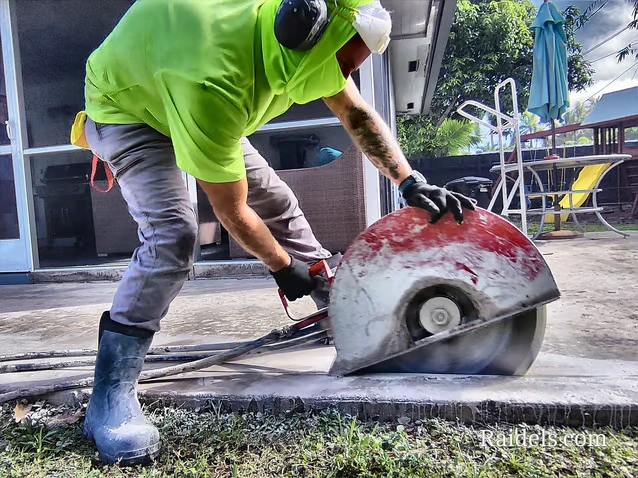
Most property owners don’t realize that the gray liquid pooling around a concrete saw isn’t just dirty water — it’s a chemically active slurry with a pH that can spike above 12. Concrete slurry is a suspension of calcium hydroxide, calcium silicate hydrates, and fine aggregate particles produced when diamond blades or wire saws cut through cured concrete. At that pH level, it’s classified as a caustic material under EPA guidelines and Miami-Dade’s local stormwater ordinances. Discharging it directly into storm drains, swales, or soil without treatment is a violation of the Clean Water Act’s National Pollutant Discharge Elimination System (NPDES) permit framework.
In Opa-locka specifically, the municipal stormwater system discharges into canals managed by the South Florida Water Management District (SFWMD). High-pH slurry entering those canals can kill aquatic vegetation, disrupt macroinvertebrate populations, and contribute to algal bloom conditions downstream. Experienced crews understand this chain of consequences and treat slurry containment as a first-tier obligation — not a box to check after the work is done. You can learn more about how water damage prevention protocols integrate into our broader concrete cutting operations across South Florida.
Pre-Job Site Assessment for Slurry Containment Planning
Before any equipment is staged, a qualified site supervisor should walk the project perimeter and identify every potential discharge pathway. In Opa-locka, this means locating all storm drain inlets, swale connections, and permeable surfaces within 50 feet of the work zone. The assessment should document:
- Storm drain inlet locations — These must be blocked with drain plugs or filter berms rated for high-pH slurry before cutting begins.
- Surface slope and flow direction — Slurry follows gravity. If the slab slopes toward the street or a neighboring property, containment berms must redirect that flow.
- Soil permeability — Sandy or porous soils common in Opa-locka can absorb slurry rapidly, but that doesn’t mean it’s safe. Caustic material reaching the water table is a groundwater contamination issue.
- Proximity to vegetation and landscaping — High-pH runoff can burn root systems and kill turf within hours of exposure.
- Existing drainage infrastructure condition — Cracked or open-joint drainage structures can allow slurry to migrate laterally underground.
This assessment drives the selection of containment equipment and determines whether a vacuum recovery system, a slurry pit, or a combination approach is appropriate for the site.
Active Slurry Containment Methods Used During Concrete Cutting and Breaking
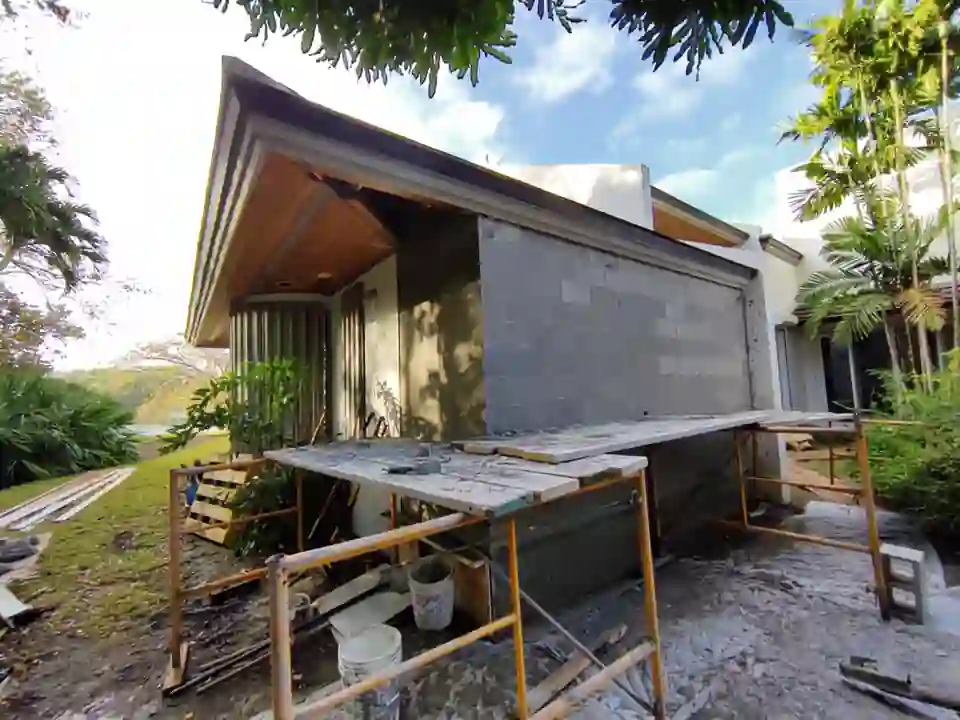
There’s a significant difference between passive containment — sandbags and berms — and active containment, which involves real-time vacuum recovery of slurry as it’s generated. For most concrete removal projects in Opa-locka, active containment is the professional standard. Here’s how it works in practice:
Vacuum Slurry Recovery Systems
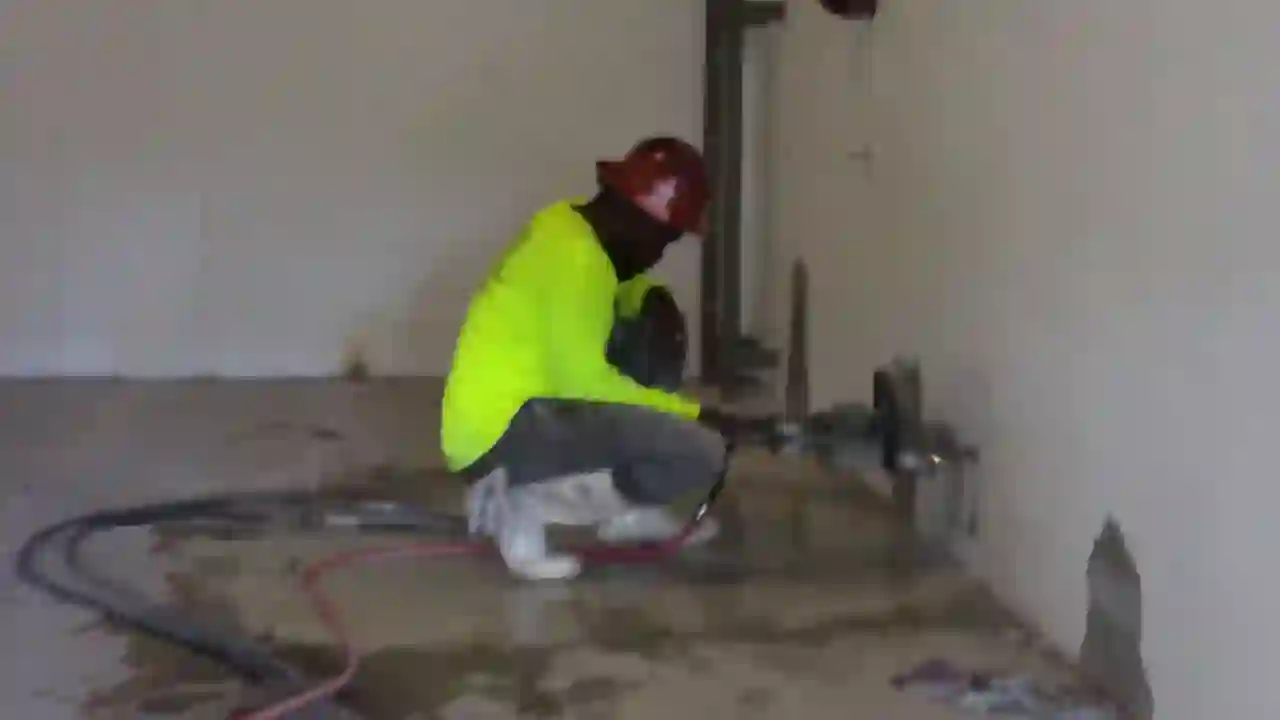
Industrial wet vacuums or slurry vacuums are positioned adjacent to the cutting zone and connected to a recovery tank. As the diamond blade or wire saw generates slurry, the vacuum pulls it away from the cut before it can migrate. High-capacity units can recover 50 to 100 gallons per hour, which is critical on large slab removal jobs where multiple blades are running simultaneously. The recovered slurry is stored in sealed tanks for off-site disposal or on-site neutralization.
Containment Berms and Bladder Systems
For perimeter control, inflatable rubber bladders or compacted sand berms are installed around the work zone. These create a contained “pool” that prevents slurry from migrating beyond the immediate cutting area. On commercial sites with large footprints, segmented containment cells allow crews to work in sections, reducing the volume of slurry that needs to be managed at any one time.
Drain Inlet Protection
Every storm drain inlet within the work zone perimeter gets a filter insert rated for fine particulate and high-pH liquid. These aren’t standard silt socks — they’re engineered filter systems with activated media designed to buffer pH and capture suspended solids. Inspections happen every 30 to 60 minutes during active cutting to ensure the filters haven’t been overwhelmed.
Slurry Neutralization and Disposal Protocols
Once slurry is collected, it can’t simply be dumped. The standard neutralization protocol involves adding carbon dioxide or dilute sulfuric acid to bring the pH down to a range between 6.5 and 8.5 — the range acceptable for discharge to a sanitary sewer under most municipal permits. Some contractors use dry ice for CO2 injection, which is effective and easy to control in the field. pH is tested with calibrated meters, not litmus strips, because precision matters when you’re trying to meet regulatory thresholds.
Solid slurry residue — the fine concrete particulate that settles out of the liquid — must be disposed of as construction debris at a permitted facility. It cannot be spread on-site as fill material without soil analysis confirming it won’t alter the local pH profile. For projects near residential properties or sensitive landscaping, this step is especially important.
Regulatory Framework Governing Concrete Removal in Miami-Dade County
Concrete removal contractors operating in Opa-locka must be familiar with several overlapping regulatory frameworks. Miami-Dade County’s Department of Regulatory and Economic Resources (RER) enforces local stormwater ordinances that mirror state-level NPDES requirements. The Florida Department of Environmental Protection (FDEP) has jurisdiction over any work that could affect surface water or groundwater quality. And the SFWMD manages canal and water control structure permits that affect how water moves through the Opa-locka area.
Projects above a certain disturbed area threshold may also trigger a Notice of Intent (NOI) under the state’s Generic Permit for Stormwater Discharge from Large and Small Construction Activities. Even smaller concrete removal jobs — a single driveway or a residential slab — aren’t exempt from local ordinances. Understanding concrete cutting cost per foot is important for budgeting, but environmental compliance costs should always be factored in from the start, not discovered after a violation notice arrives.
How Opa-locka’s Infrastructure Conditions Affect Removal Methodology
Opa-locka has a significant inventory of older concrete infrastructure — slabs, curbs, and structures dating back to the 1950s and 1960s. Older concrete often contains higher calcium carbonate concentrations and may have been poured with aggregate mixes that generate more alkaline slurry than modern concrete. Crews removing these older slabs need to plan for higher slurry pH and greater particulate volume per linear foot of cut.
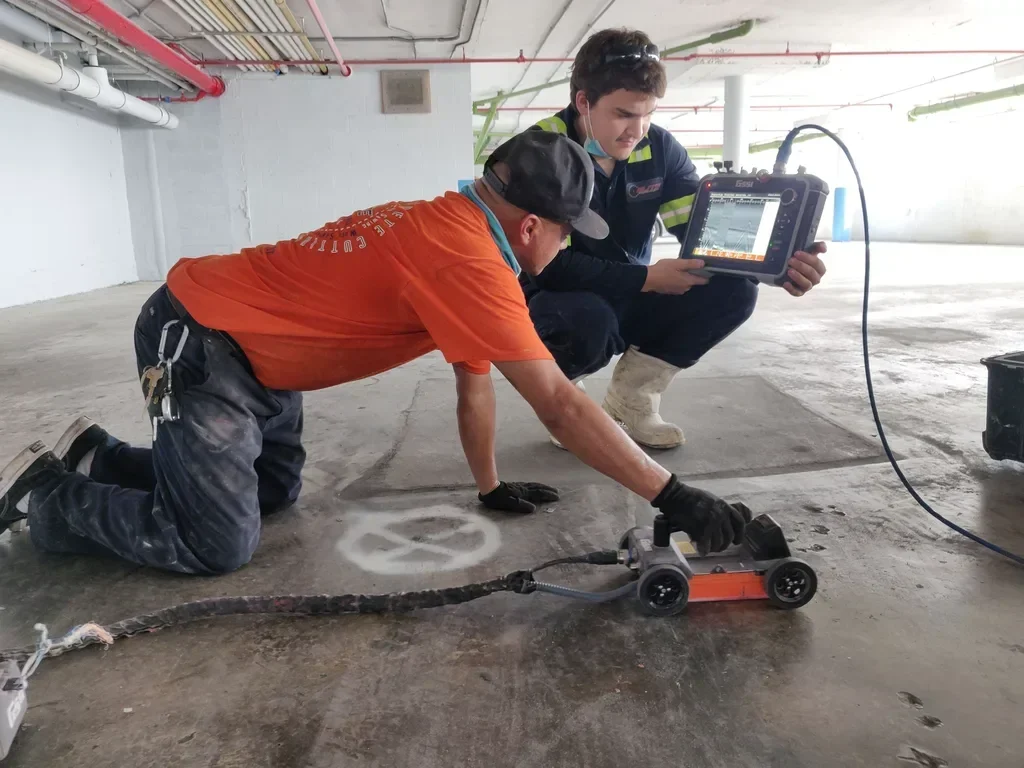
Additionally, some older Opa-locka properties have shallow utility conduits and drainage pipes that weren’t installed to modern depth standards. Concrete removal in these areas requires careful depth control to avoid breaching buried infrastructure that could create secondary contamination pathways. Ground-penetrating radar (GPR) scanning before demolition is a best practice that protects both the crew and the surrounding environment. Our team also serves neighboring communities — see how we approach similar compliance challenges in our Homestead service area.
Best Practices Summary for Compliant Concrete Removal in Opa-locka
Every concrete removal project in Opa-locka should be executed against a documented environmental compliance checklist. The non-negotiable elements include:
- Pre-job site assessment identifying all discharge pathways and sensitive receptors within 50 feet of the work zone.
- Active slurry recovery using vacuum systems sized to the expected slurry generation rate for the project scope.
- Drain inlet protection installed before any wet cutting begins and inspected throughout the workday.
- On-site pH monitoring with calibrated meters, with neutralization performed before any liquid discharge to sanitary sewer.
- Solid waste segregation with slurry solids transported to a permitted disposal facility.
- Documentation — disposal manifests, pH test logs, and site assessment records retained for a minimum of three years.
Concrete removal in Opa-locka done at a professional level means every gallon of slurry is accounted for, every drain inlet is protected, and every cubic yard of demolished concrete leaves the site through a documented chain of custody. That’s not bureaucratic overhead — that’s the standard that protects the community, the aquifer, and your project from costly regulatory consequences.