Why Chipping Slab Concrete Creates Serious Environmental Liability on South Florida Job Sites
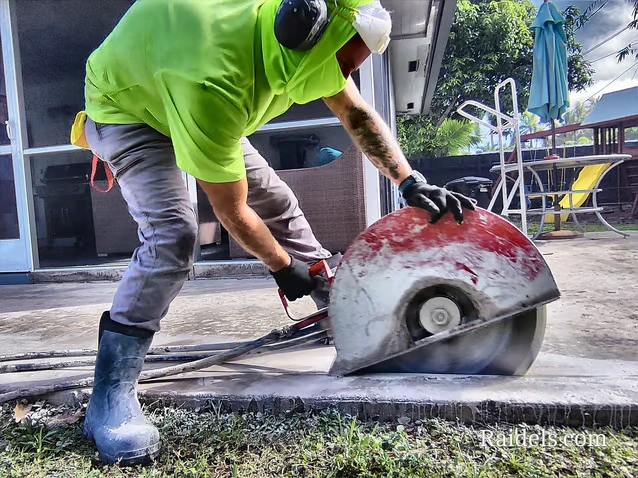
Most project managers think about chipping slab work in terms of speed and equipment — how fast can we break this up, and what size breaker do we need? That framing misses the bigger risk sitting right underneath the operation. Every time a hydraulic breaker or chipping hammer contacts a concrete slab, it generates a combination of fine particulate dust, fractured aggregate, and — when water suppression is used — a highly alkaline slurry that can carry a pH north of 12. In Miami-Dade and Broward counties, where stormwater drains connect directly to tidal waterways and the Biscayne Aquifer sits just feet below grade, that slurry is a regulated discharge. Mismanaging it isn’t just sloppy — it’s a Clean Water Act violation waiting to happen.
The Chemistry Behind Concrete Slurry and Why pH Is the First Number You Need to Know
When you chip or break a concrete slab, you’re liberating calcium hydroxide and calcium silicate hydrates from the cured matrix. The moment water contacts these compounds — whether from wet suppression, rain, or even morning humidity — you get calcium hydroxide in solution, which is caustic lime water. The resulting slurry typically tests between pH 11 and pH 13. To put that in biological terms, a pH above 9 is lethal to most freshwater and estuarine fish species. Florida’s NPDES (National Pollutant Discharge Elimination System) permit thresholds for discharge to surface water require effluent to fall between pH 6.0 and 8.5. That’s a massive gap between what chipping slab work produces and what the law allows you to release.
Beyond pH, concrete slurry carries suspended solids at concentrations that can exceed 10,000 mg/L. Turbidity at those levels smothers benthic organisms and clogs stormwater infrastructure. Any contractor operating in downtown Miami or near coastal zones needs to treat slurry management as a primary scope item — not an afterthought addressed by sweeping debris into a pile at the end of the day.
Dry Chipping Versus Wet Suppression — The Trade-Off That Shapes Your Containment Strategy
There’s an ongoing debate in the trade about whether to run chipping operations dry or with continuous water suppression. The wet vs. dry cutting argument applies directly to chipping work. Dry chipping produces airborne respirable crystalline silica (RCS) at concentrations that can exceed OSHA’s permissible exposure limit of 50 µg/m³ within minutes. That makes it a respiratory hazard requiring engineering controls, half-face respirators at minimum, and continuous air monitoring on enclosed sites. Wet suppression knocks down silica dust effectively — often reducing airborne RCS by 85 to 95 percent — but it converts an air quality problem into a water quality problem. You’ve traded one compliance obligation for another.
The professional answer is wet suppression paired with a properly engineered containment and neutralization system. This isn’t optional on permitted projects in Florida. It’s a condition of your construction general permit.
Physical Containment Systems That Actually Work for Slab Chipping Operations
Passive containment — berms made from dirt or sandbags — fails on flat slab work because there’s no reliable grade to direct flow. On interior slabs, slurry migrates under equipment, through construction joints, and into floor drains that may connect to the sanitary or stormwater system. Here’s what a properly engineered containment setup looks like for a chipping slab operation:
- Perimeter berms with sealed joints: Use interlocking water-filled bladder dams or compacted soil berms lined with 6-mil poly sheeting. Seal all construction joints and floor penetrations with hydraulic cement or fast-set foam before work begins.
- Sump pit and submersible pump: Cut or excavate a low point within the containment zone. A 20-gallon sump with a float-activated submersible pump allows continuous collection without operator intervention.
- Slurry tank with settling capacity: Pump collected slurry into a tank sized for at least one full day’s production volume. A 500-gallon poly tank is a reasonable minimum for a single-breaker operation running an 8-hour shift.
- pH adjustment station: Carbon dioxide injection or dry citric acid addition brings slurry pH down to the 6.0–8.5 discharge range. CO₂ injection is preferred because it doesn’t introduce chloride ions or other contaminants, and it’s self-limiting — you can’t over-acidify with CO₂ under normal atmospheric conditions.
- Filtration before discharge or haul-off: Even after pH adjustment, suspended solids must be reduced. A filter bag rated at 50 microns placed inline before any permitted discharge point will capture the bulk of cement fines.

Regulatory Framework Governing Slurry Disposal in Miami-Dade County
Florida’s construction general permit (CGP) under the NPDES program requires any land disturbance over one acre to implement a Stormwater Pollution Prevention Plan (SWPPP). Chipping slab operations on larger commercial or infrastructure projects almost always fall under this threshold. Your SWPPP must specifically address concrete washout and slurry management as a Best Management Practice (BMP). Inspectors from FDEP and Miami-Dade DERM (Department of Environmental Resources Management) do conduct site visits, and concrete slurry in a stormwater drain is one of the most commonly cited violations on construction sites in this region.
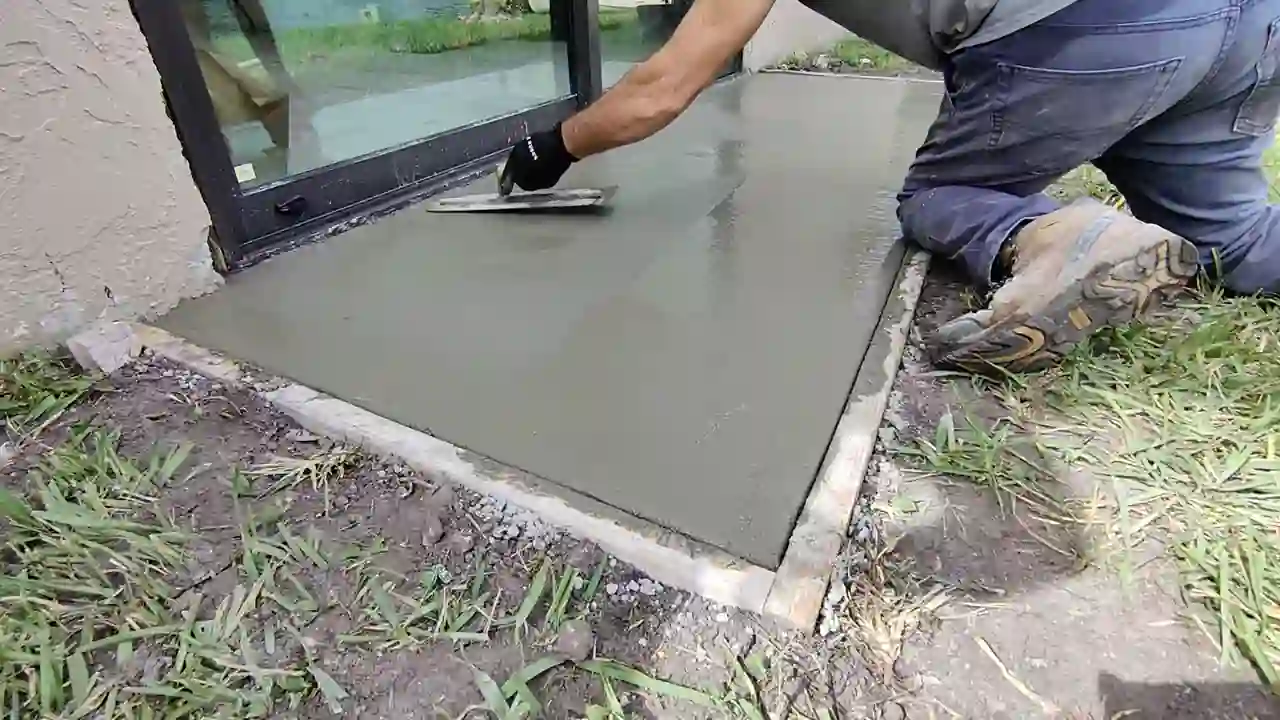
For projects below the one-acre threshold, Miami-Dade County’s local ordinance 24-43 still prohibits discharge of any substance with a pH outside the 5.0–9.0 range into the county’s stormwater system. Residential slab chipping jobs — pool deck demolition, garage floor removal, patio breakout — are not exempt. The volume is smaller, but the pH chemistry is identical.
Proper structural maintenance planning always includes a slurry disposal protocol before the first chip flies. Retrofitting containment after work has started is expensive and often incomplete.
Slurry Haul-Off Logistics and Approved Disposal Facilities
When on-site neutralization and discharge isn’t feasible — say, on a high-rise podium deck or a slab over an occupied parking garage — full haul-off is the compliant path. Slurry must be transported in sealed, non-leaking containers by a licensed liquid waste hauler. In Miami-Dade, this means a DEP-permitted hauler with manifest documentation. The receiving facility must be permitted to accept high-pH concrete slurry, which typically means a concrete washout facility or a Class I industrial wastewater treatment plant. Disposal costs run between $0.08 and $0.15 per gallon depending on volume and pH, so accurate production estimation matters for project budgeting.
Silica Dust Control Protocols That Run Parallel to Slurry Management
Even with wet suppression active, chipping slab work generates localized silica exposure risks at the point of impact. OSHA’s Silica Standard (29 CFR 1926.1153) requires a written Exposure Control Plan for any construction task involving concrete chipping. Table 1 of the standard lists “chipping, grinding, or cutting concrete” as a trigger task. Required controls include:
- Water delivery at the chisel point: A wet ring or shroud delivering at least 0.5 GPM directly to the chipping tool contact zone.
- Local exhaust ventilation (LEV): On enclosed slabs or interior work, LEV with a HEPA-filtered vacuum attached to the tool housing is required when water suppression alone cannot maintain exposure below the action level of 25 µg/m³.
- Designated competent person: Someone on site must be trained to recognize silica hazards and authorized to implement corrective measures. This isn’t a paperwork role — it’s an active oversight function.
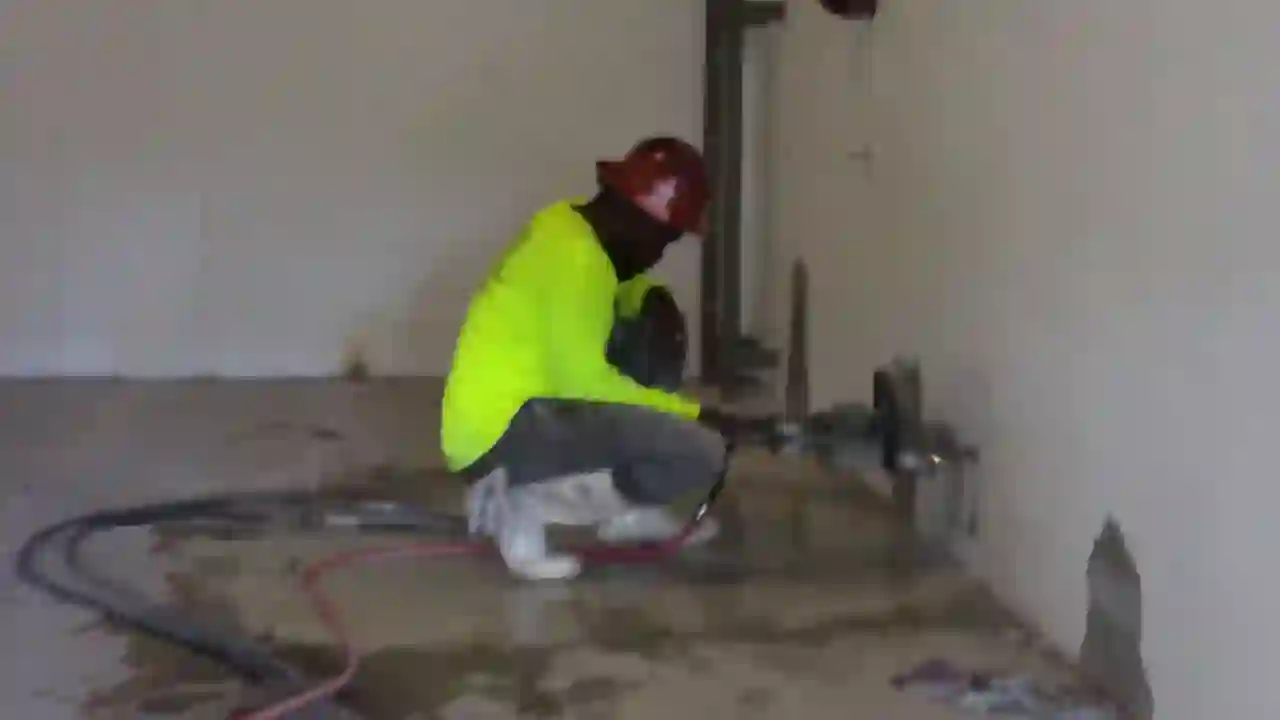
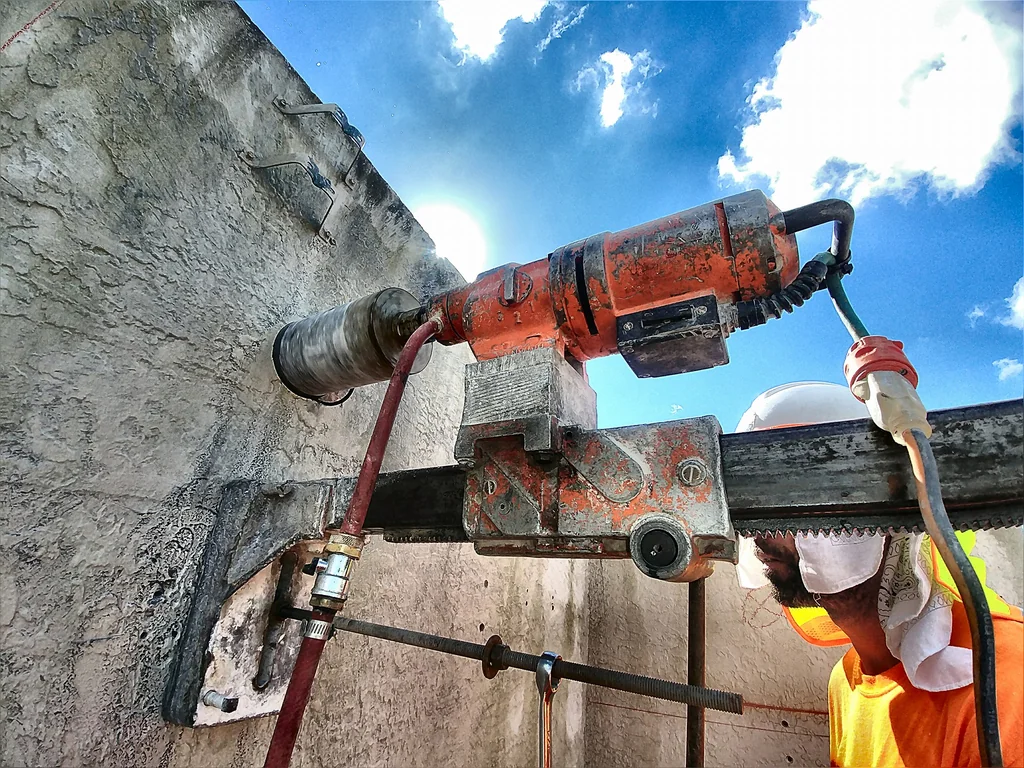
For detailed guidance on keeping drilling and chipping operations from compromising slab integrity while managing these hazards, the approach used in precision concrete drilling translates directly — controlled energy input, proper bit selection, and systematic documentation of every penetration or break point.
Workplace safety during chipping operations also demands attention to overhead hazards, tool kickback, and vibration exposure. Our detailed breakdown of workplace safety in concrete cutting services covers the full scope of hazard controls applicable to chipping and demolition tasks.
Pre-Job Checklist Every Crew Should Run Before Chipping Slab Begins
Environmental compliance on a chipping slab job doesn’t happen during the work — it’s established before the first tool hits the concrete. Run through this sequence before mobilization:
- Confirm all floor drain and stormwater inlet locations and plug or berm them before work begins.
- Establish containment perimeter with sealed berms and verify no gaps at walls, columns, or expansion joints.
- Stage slurry collection equipment — sump, pump, tank, and pH adjustment materials — before any water suppression is activated.
- Verify hauler availability if haul-off is required, and confirm manifest documentation is in order.
- Conduct pre-task silica briefing with all workers, confirm PPE is on hand, and designate the competent person.
- Document baseline conditions with photographs of the containment setup, drain plugs, and equipment staging. This documentation is your first line of defense in any regulatory inquiry.
Chipping slab work is inherently disruptive — that’s the point. But the disruption has to stay within the containment boundary, both physically and legally. Contractors who treat slurry management and environmental compliance as core technical competencies, not administrative burdens, are the ones who keep their permits, protect their reputation, and deliver projects without regulatory surprises. In South Florida’s hydrologically sensitive environment, that standard isn’t aspirational. It’s the baseline.