Technical Overview of Pool Filling Operations
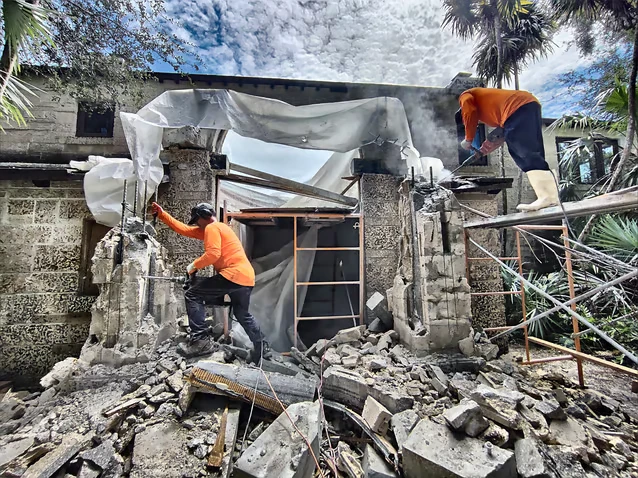
Pool removal ranks among the most misunderstood residential concrete projects in South Florida. Unlike standard demolition, filling a pool requires precise engineering to prevent groundwater intrusion, soil instability, and structural damage to adjacent slabs. The process demands more than backfilling with gravel – it’s a calculated balance between material science and local geology.
Hydrostatic Pressure Dynamics in Buried Structures
When abandoning in-ground pools, water tables dictate strategy. Miami’s high groundwater levels create upward hydrostatic forces that can fracture pool shells if not properly relieved. Our team at Concrete Cutting Miami uses perforated drainage pipes and crushed limestone backfill to equalize pressure – a method proven in urban infrastructure projects across Dade County.
Advantages of Professional Pool Filling
Eliminating Maintenance Costs and Liability Risks
Filling a 16×32’ pool saves $1,200-$2,800 annually in chemical, cleaning, and energy expenses. More critically, it removes drowning hazards and insurance premiums tied to unattended water features. Proper removal also prevents the #1 cause of post-demolition settling: organic material decomposition in backfill soil.
Maximizing Usable Yard Space
Convert former pool areas into functional landscapes using engineered fill. We recommend:
- Type I compacted base: 95% Proctor density for future slab support
- Clay-rich topsoil: 6” layer to inhibit vegetative growth through fill
- Perimeter French drains: Redirects surface runoff from flat roof drainage systems
Challenges and Hidden Risks in DIY Pool Abandonment
Soil Composition Mismatch Catastrophes
Using incompatible fill materials causes differential settling. In 2023, a Coral Gables homeowner faced $18,000 in patio repairs after using beach dredge sand that liquefied during heavy rains. Always match backfill gradation to native soils – our lab tests particle sizes down to 0.075mm.
Undetected Utility Conflicts
Buried gas lines, sewer laterals, and electrical conduits often route near pool equipment pads. Selective demolition techniques using ground-penetrating radar prevent service disruptions that occur in 23% of unpermitted removals.

Professional Pool Removal Process Step-by-Step
Phase 1: Structural Decommissioning
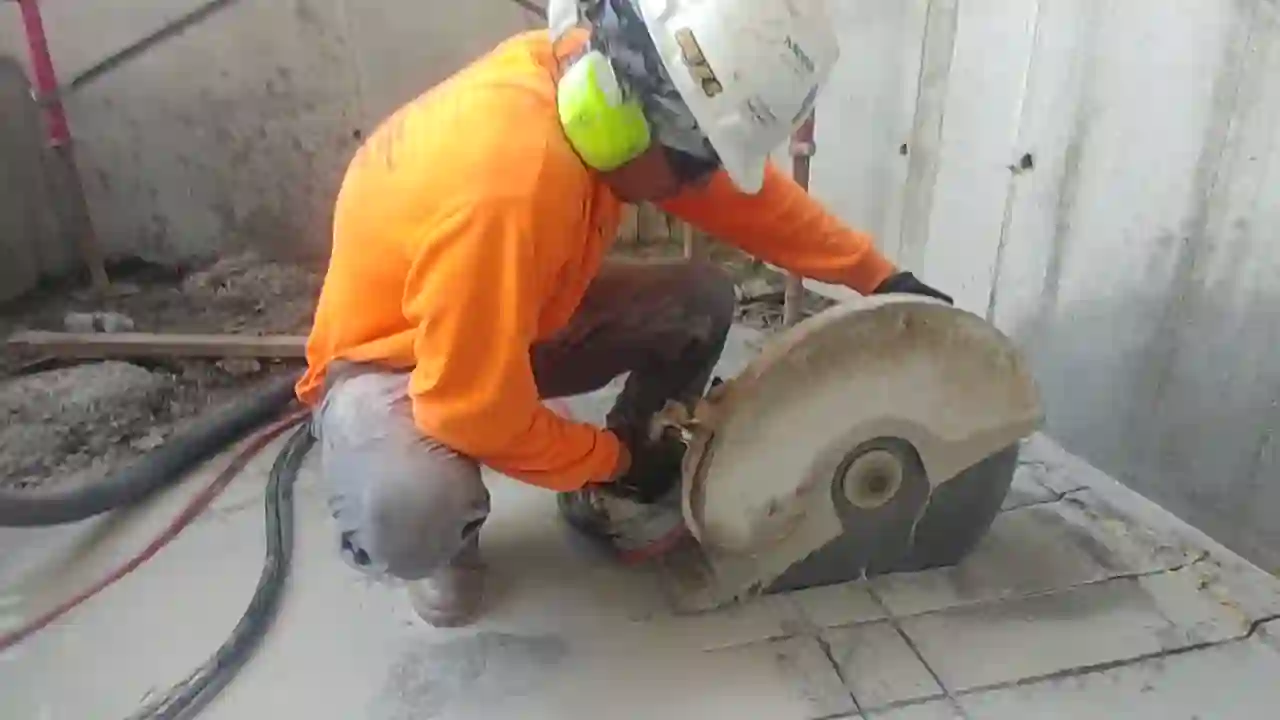
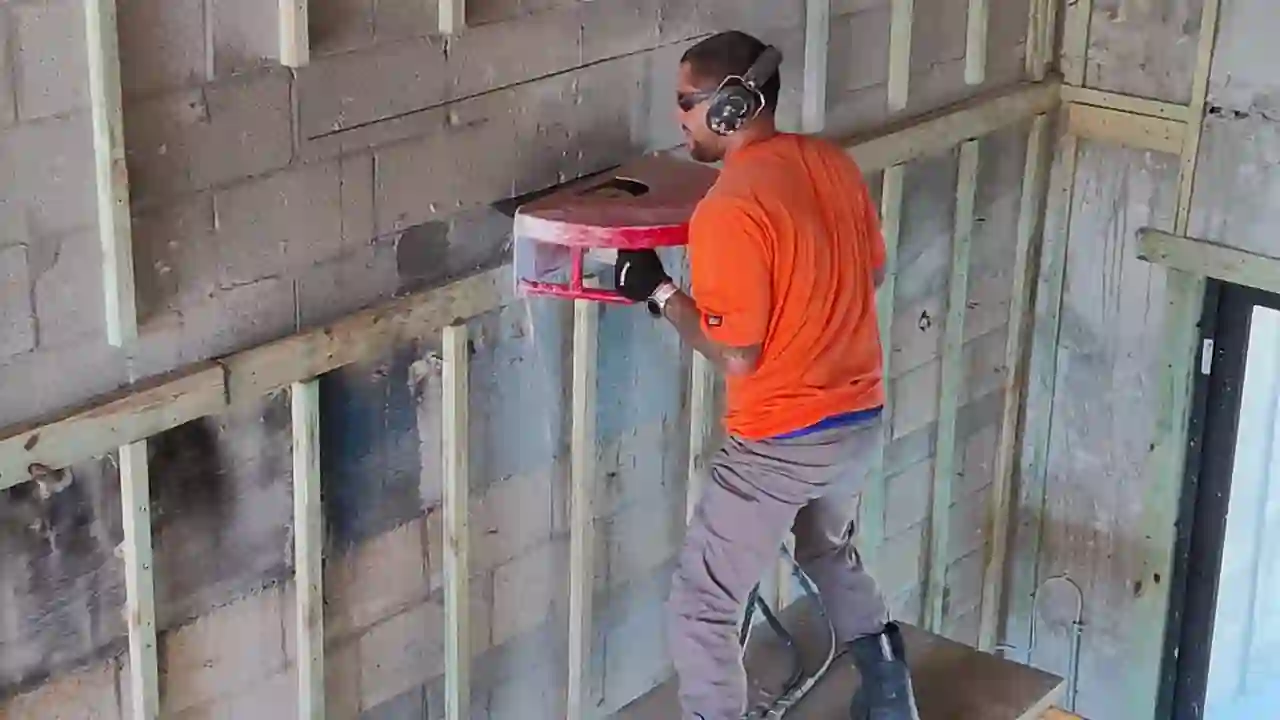
Diamond saws cut access holes in the pool floor for drainage and backfill entry points. Unlike wrecking balls, our concrete cutting crews preserve rebar matrices that stabilize surrounding soil.
Phase 2: Geotechnical Backfilling Protocol
Material Layering Sequence:
- 6” perforated PVC drainage grid
- 12” #57 limestone (3/4” crushed aggregate)
- Geotextile separation fabric
- Native soil compacted in 6” lifts
Final Grading and Compliance
All removals must meet Miami-Dade County’s 6% maximum slope ordinance. We laser-grade surfaces to direct water away from foundations while maintaining structural safety clearances from property lines.
Long-Term Considerations for Filled Pool Sites
Monitor filled areas for 18-24 months post-removal. Look for:
- Depressions deeper than 1”
- Efflorescence on nearby walls (indicates water migration)
- Cracks in adjacent concrete exceeding 1/4” width
Properly executed pool removals increase property values by 7-12% in Miami’s competitive market – but only when documented with engineered plans and county permits. Always verify contractor credentials through the Florida Construction Industry Licensing Board before breaking ground.