Technical Overview of Manual Concrete Demolition
Breaking concrete with hand tools is a demanding, precision-driven task that requires a deep understanding of material properties, tool dynamics, and human biomechanics. While modern power equipment dominates large-scale demolition, manual methods remain indispensable for tight spaces, selective removal, and projects where dust, noise, or access restrictions limit machinery. As a senior concrete consultant at Concrete Cutting Miami, I’ve overseen hundreds of hand-tool demolition operations across residential slabs, commercial footings, and reinforced staircases. The key to success lies not in brute force alone, but in strategic application of leverage, impact energy transfer, and fracture mechanics.
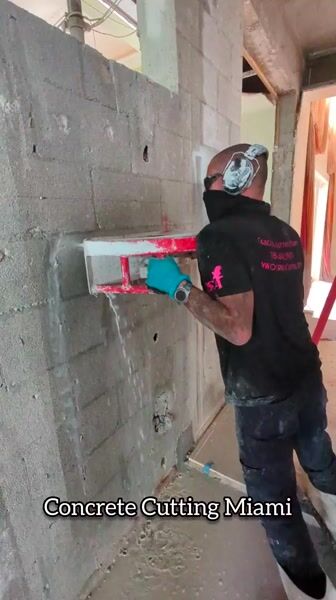
Before swinging a sledgehammer, you must assess the concrete’s compressive strength, thickness, and reinforcement layout. A 4-inch unreinforced patio slab behaves very differently from an 8-inch reinforced foundation wall. In Miami’s subtropical climate, concrete often cures with higher moisture content, reducing its brittleness and increasing the energy required for fracture. This guide breaks down the technical considerations for each tool and technique, ensuring you can break concrete efficiently without unnecessary injury or structural damage.
Selecting the Right Hand Tools for Concrete Breaking
Not all hand tools are created equal for concrete demolition. The three primary categories are impact tools (sledgehammers, hand breakers), prying tools (demolition bars, wrecking bars), and cutting tools (chisels, bolster chisels). Each serves a distinct role in the fracture sequence.
Sledgehammers: Weight, Handle Material, and Swing Mechanics
The sledgehammer remains the workhorse of manual concrete breaking. Optimal weight ranges from 8 to 16 pounds for most residential and light commercial work. Heavier hammers (20+ pounds) generate more kinetic energy but reduce swing control and increase fatigue. Handle material matters: fiberglass handles absorb vibration better than hickory, reducing the risk of stress fractures in your wrists. For maximum energy transfer, the hammer head should strike perpendicular to the concrete surface. A glancing blow dissipates energy laterally and can cause the head to skid, a common cause of injury. Always maintain a firm two-handed grip, with your dominant hand near the head for control and the other at the base for power generation.
Hand Breakers and Chisels: Point vs. Flat
For targeted demolition—such as removing a single section of a concrete stair—a hand breaker (a heavy-duty chisel with a striking cap) offers precision. Point chisels concentrate force into a small area, ideal for initiating cracks along a score line. Flat chisels (also called bull points) are better for widening existing cracks and prying apart sections. When using a hand breaker, the chisel must be held at a 60–70 degree angle to the concrete surface. Striking the chisel with a 3–5 pound mini-sledge reduces rebound and improves control. For reinforced concrete, avoid striking directly over rebar—the steel absorbs impact and can cause the chisel to bounce unpredictably.
Demolition Bars and Pry Tools
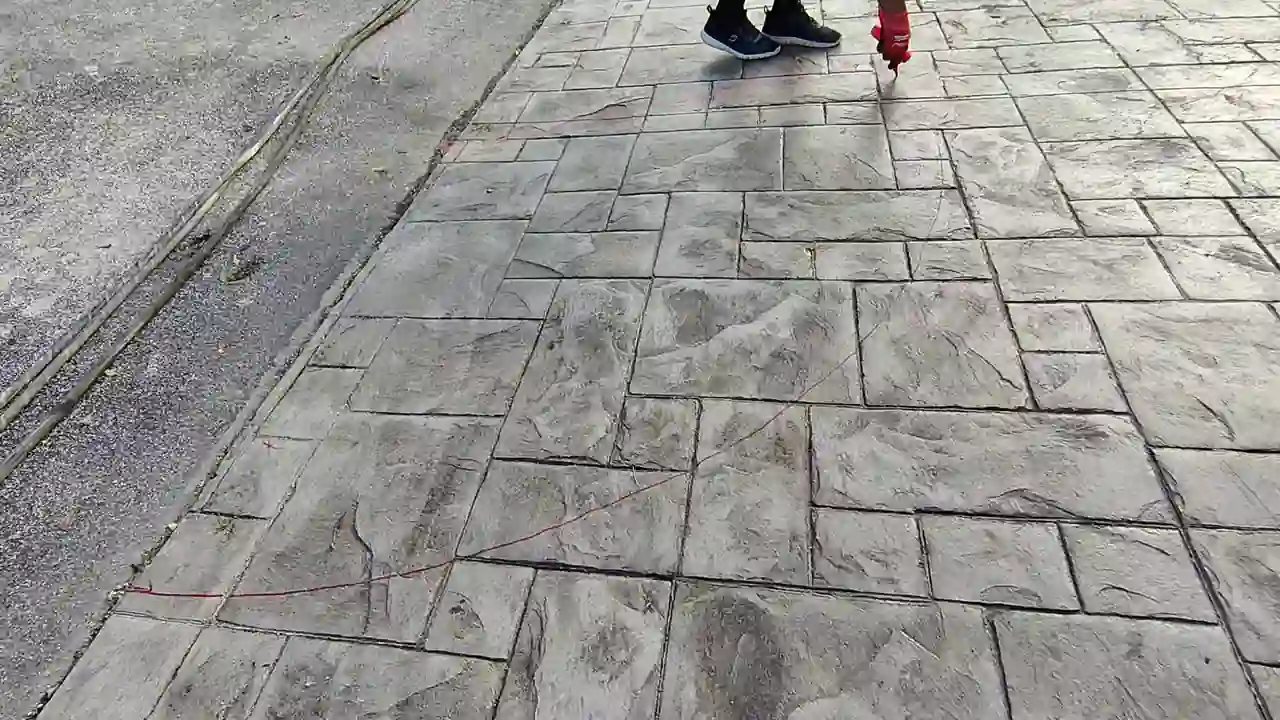
Once a crack is initiated, leverage becomes your greatest ally. A 36-inch demolition bar with a flattened, notched end can generate several tons of prying force. Insert the bar into the crack, position a fulcrum (a block of wood or a smaller piece of concrete), and apply steady downward pressure. This technique is particularly effective for patio and walkway concrete cutting where slabs are thin (3–4 inches) and can be fractured along natural stress lines. For thicker sections, combine prying with impact: strike the top of the bar with a sledgehammer while prying to create a dynamic wedging effect.
Assessing Concrete Thickness and Reinforcement
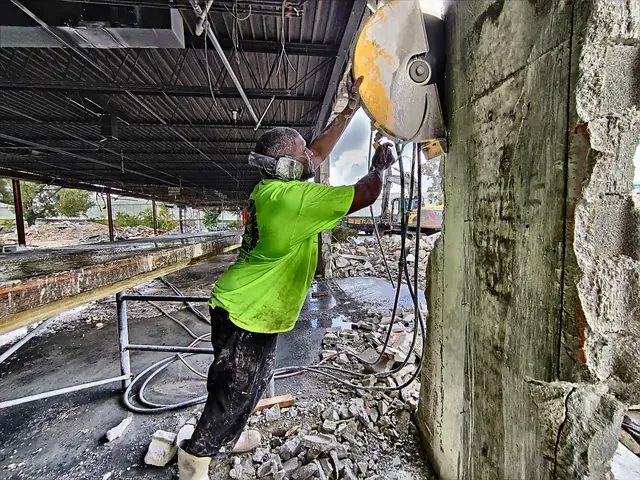
Before any tool touches concrete, you must determine its thickness and reinforcement. Use a hammer drill with a masonry bit to probe at multiple points. For slabs on grade, typical thicknesses are 4 inches for patios, 6 inches for driveways, and 8–12 inches for commercial floors. Reinforcement—whether welded wire mesh or rebar—dramatically increases the energy needed for fracture. Hand tools can break unreinforced concrete up to 6 inches thick, but reinforced concrete beyond 4 inches often requires power tools. If you encounter rebar, you have two options: cut it with an angle grinder and a metal-cutting blade, or use a hydraulic chainsaw for clean, precise cuts through both concrete and steel.
Technique: Breaking Slabs, Walls, and Footings
Different structures demand different approaches. For horizontal slabs, the most effective method is to create a free edge by cutting a relief line with a hand saw or angle grinder, then breaking toward that edge. For vertical walls, work from the top down to use gravity as an ally. For footings, excavation is often required first to expose the concrete, then a combination of sledgehammer and demolition bar can break it into manageable pieces.
Scoring and Notching for Controlled Fracture
Scoring the concrete surface with a chisel or angle grinder creates a stress concentration that guides crack propagation. For a 4-inch slab, a 1/2-inch deep score line is sufficient. For thicker sections, score both sides. The notch acts as a weak point—when you strike directly behind it, the crack will follow the line. This technique is essential for demolition hammer work as well, but it applies equally to hand tools. Always score on the side opposite the direction you want the concrete to fall.
Leverage and Sequential Breaking
Breaking concrete sequentially means starting from an edge or a pre-cut hole and working inward. Never attempt to break a large slab from the middle—the surrounding concrete absorbs the impact energy. Instead, create a starting point by drilling a series of holes along a break line using a rotary hammer, then insert a chisel or demolition bar and strike to create a continuous crack. This method reduces the number of sledgehammer swings by 40–60% and significantly lowers the risk of back injury.
Safety Protocols for Manual Concrete Demolition
Manual concrete demolition is one of the most hazardous construction activities. Flying concrete chips can cause eye injuries; repetitive impact can damage joints; and improper lifting can lead to herniated discs. Adhere to these protocols:
- Personal Protective Equipment (PPE): Safety glasses with side shields, steel-toed boots, heavy-duty work gloves, and ear protection (impact noise from sledgehammers can exceed 120 dB). A hard hat is mandatory when working under overhead concrete.
- Ergonomics: Keep your back straight and use leg muscles to generate power. Swing the sledgehammer in an arc that originates from your hips, not your shoulders. Take a 5-minute break every 20 minutes to prevent cumulative fatigue.
- Worksite Control: Barricade the area to prevent bystanders from entering. Wet down the concrete to minimize silica dust—dry cutting or breaking generates respirable crystalline silica, a known carcinogen.
- Tool Inspection: Before each use, check sledgehammer heads for looseness (a common cause of flying heads) and chisel edges for mushrooming. Grind down mushroomed edges to prevent spalling.
For a comprehensive safety overview, refer to our construction safety resources tailored to Miami’s specific regulations and climate conditions.
When Hand Tools Are Not Enough: Transitioning to Power Equipment
Despite best technique, hand tools have limits. If you are breaking more than 50 square feet of 6-inch reinforced concrete, or if the concrete contains heavy rebar (No. 5 or larger), manual methods become inefficient and dangerous. At Concrete Cutting Miami, we often see DIYers attempt to break concrete stairs with sledgehammers only to abandon the project after hours of minimal progress. In such cases, a hydraulic chainsaw or a heavy-duty demolition hammer (like the ones detailed in our demolition hammer guide) can reduce demolition time from days to hours. For patio and walkway projects, our specialized cutting services ensure clean edges and minimal disturbance to surrounding landscaping.
Knowing when to call a professional is a sign of expertise, not failure. Hand tools are ideal for small, selective demolition—removing a single step, cutting a doorway through a thin wall, or breaking up a cracked patio section. For anything larger, trust the equipment and experience of a licensed contractor. The goal is not to prove strength, but to achieve a safe, efficient, and precise result.