Technical Overview of Driveway Concrete Cutting
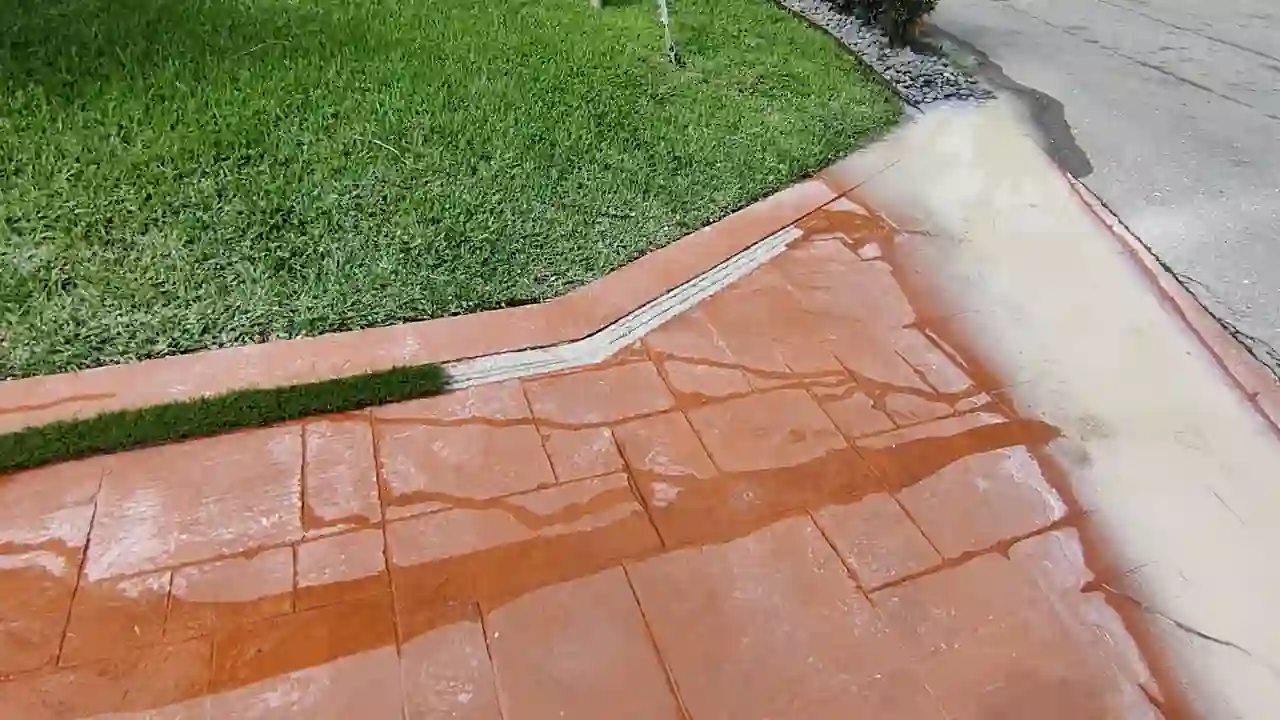
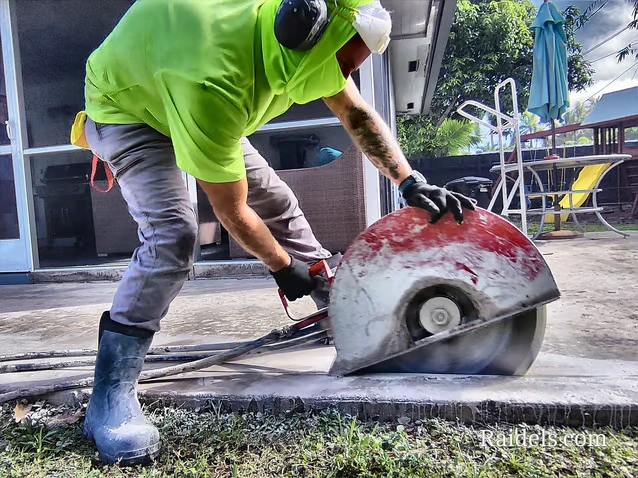
Concrete driveway cutting demands surgical precision – 1/8″ deviation over 20 feet can compromise drainage or structural integrity. Unlike generic slab work, driveways require specialized approaches due to vehicle loads, freeze-thaw cycles, and surface slope requirements. This isn’t a “score-and-snap” operation; it’s engineered material modification.
Assessing Driveway Thickness Before Blade Selection
Standard 4″ residential slabs need different blades than 8″ reinforced commercial driveways. Use ground-penetrating radar (GPR) to verify:
- Actual slab depth (often differs from original specs)
- Rebar grid spacing (minimize blade wear from steel)
- Post-tension cable locations (critical safety factor)
We recently discovered a 1990s-era Miami driveway with 14-gauge wire mesh at 1.5″ depth – standard blades would’ve disintegrated. Always verify before cutting.
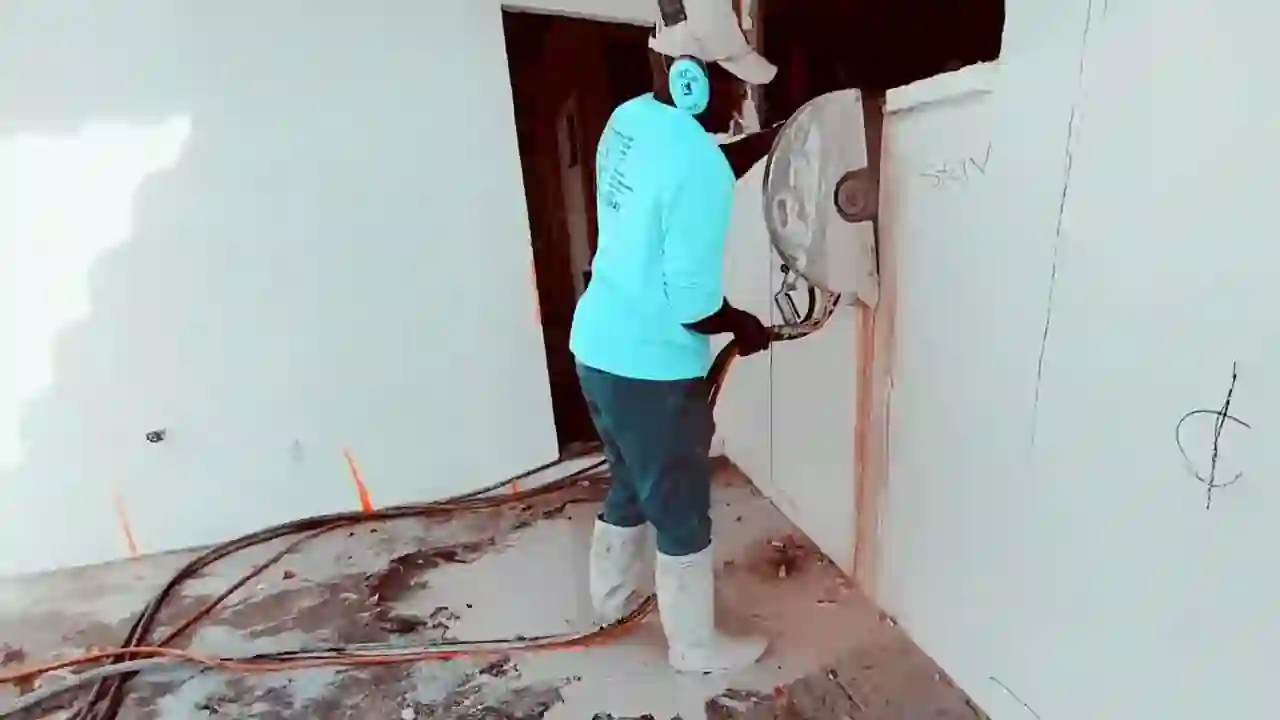
Diamond Blade Selection Matrix for Driveway Work
Not all diamond blades handle aggregate the same. For Florida’s coquina-shell mix:
- Soft bond blades (6-8 hardness rating) for weathered surfaces
- Medium-hard segments (12-14) on new concrete
- Turbo rims for green concrete cuts (less than 28-day cure)
Our crews carry specialized blades for each project phase – using the wrong type increases kerf width up to 0.3″.
Wet Cutting vs. Dry Cutting Operations
Water isn’t just for dust control – it prevents microcracks from blade friction heat. But in driveways:
- Wet cuts require slope recalibration (water lubricates the cut)
- Dry cutting needs HEPA vacuum systems capturing 99.97% of silica dust
- Alternate methods when within 15° of freezing temps
Expansion Joint Layout Patterns That Prevent Heaving
Improper joint spacing causes 73% of driveway spalling. Follow this formula:
- Joint depth = 1/4 slab thickness
- Spacing (inches) = 2-3 times slab thickness (in feet)
- Offset cuts by 12″ from existing house foundation joints
For 5″ thick driveways, that means cuts every 10-15 feet. Never copy sidewalk spacing patterns.
HEPA Vacuum Integration in Residential Cutting
OSHA’s 2024 silica rules mandate 0.025 mg/m³ exposure limits. Our protocol:
- Shrouded saws with vacuum ports
- Negative air pressure zones
- Real-time particulate monitors
This isn’t just compliance – it prevents abrasive dust from etching nearby vehicles.
Curing Schedule Adjustments Post-Cutting
Fresh cuts alter moisture release rates. For long-lasting slabs:
- Apply silane-siloxane sealers within 4 hours of cutting
- Delay polymer joint fillers for 72 hours in humidity >70%
- Monitor cut edges for raveling during first rain event
Common Mistakes in DIY Driveway Sawing
Depth Gauge Errors on Sloped Surfaces
Driveways slope 2% minimum – a 20-foot run has 4.8″ elevation change. Amateurs often set blade depth on the high side, then gouge low spots. Always measure depth at multiple points.
Overlooking Subbase Shifts During Cutting
Vibrations from 14″ blades can destabilize uncompacted fill. Look for:
- Newer utility trenches under driveway
- Tree root encroachment areas
- Sand pockets in limestone base
When to Call Professional Concrete Cutters
If your project involves:
- Curved or angled cuts beyond 45 degrees
- Slabs with historical reinforcement methods
- Coordinating with storm drain tie-ins
Professional services become cost-effective when factoring in equipment rentals, disposal fees, and potential repair costs from errors.