Why concrete cutting and removal is not the same as demolition
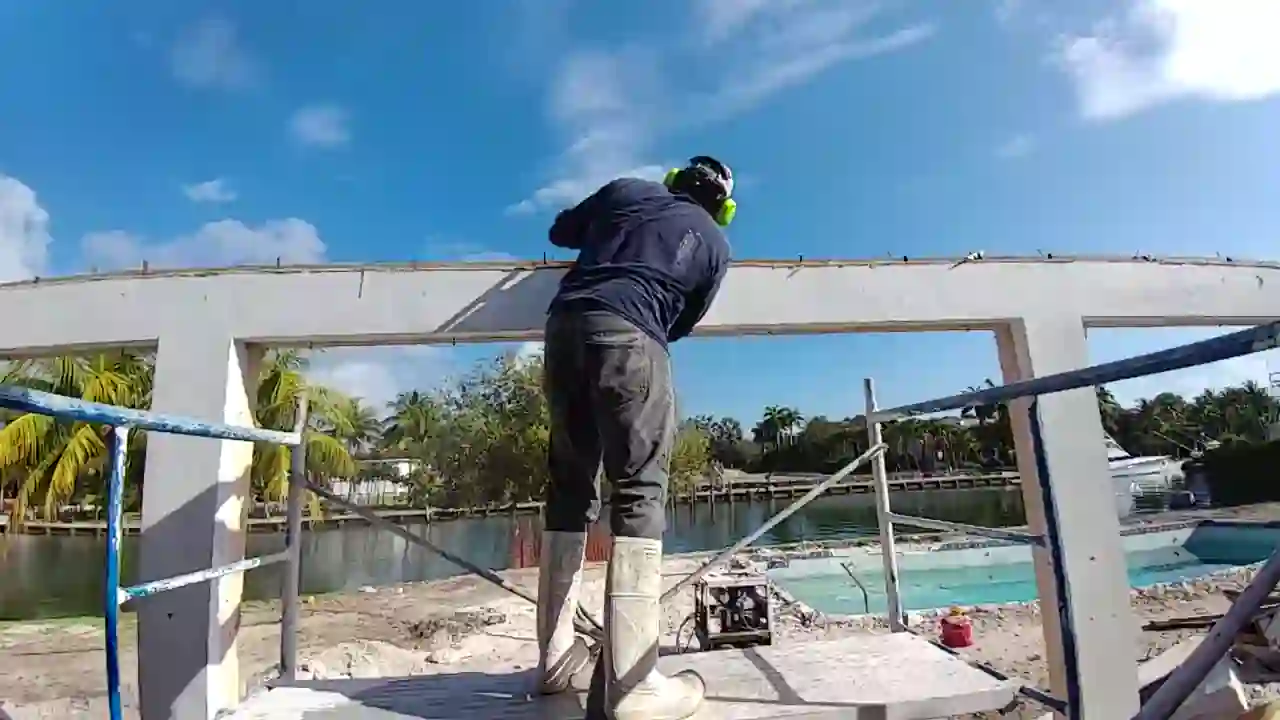
People who need concrete cutting and removal often think they are hiring a demolition contractor. They are not — or they should not be. Demolition means knocking things down. Concrete cutting and removal means surgically separating concrete from what needs to stay before removing it. When you remove a pool deck but need the pool shell intact, when you remove a driveway apron but the foundation wall is eight inches away, when you trench a slab for plumbing and everything around the trench must remain structurally sound — that is concrete cutting and removal, not demolition.
In Miami, the distinction matters for reasons most property owners do not think about until something goes wrong. A sledgehammer and excavator approach to concrete removal creates vibration that travels through slabs and walls. In older Miami homes — 1950s hurricane-era construction, concrete block with stucco — that vibration can crack tiles, pop drywall seams, and break window seals in rooms nowhere near the work area. Professional concrete cutting and removal separates material with diamond blades before removal, eliminating the vibration damage that makes homeowners regret hiring the lowest bidder.
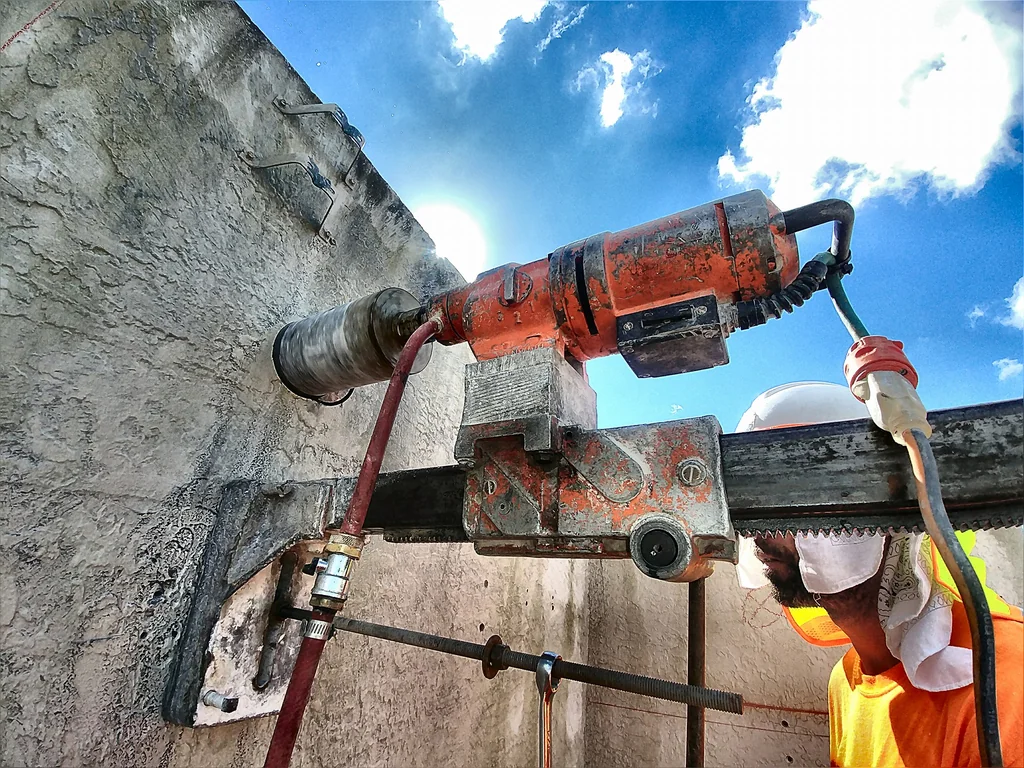
We have been doing concrete cutting and removal across Miami-Dade County for years. We have seen the aftermath of jobs where someone tried to save money by skipping the cutting step and going straight to removal. A pool deck removal in Coral Gables that cracked the coping. A driveway removal in Kendall that split the garage slab. A patio removal in Miami Beach where the vibration from a jackhammer loosened every window in the adjacent sunroom. None of those property owners saved money. All of them paid twice — once for the bad job, once to fix the damage.
The concrete cutting and removal process, step by step
Here is what a professional concrete cutting and removal job in Miami-Dade County actually looks like, from start to finish.
Step 1: GPR scanning and utility location
Before any blade touches concrete, the area gets scanned with ground-penetrating radar. This identifies post-tension cables, embedded electrical conduits, plumbing lines, and any other sub-surface hazards. In Miami slabs built since the 1970s, PT cables are common and cutting through one is dangerous and expensive to repair. The scanning report becomes the cutting map.
Step 2: Saw cutting the removal perimeter
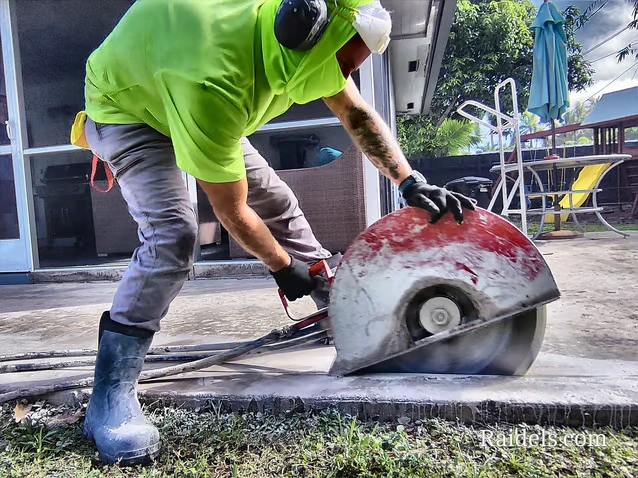
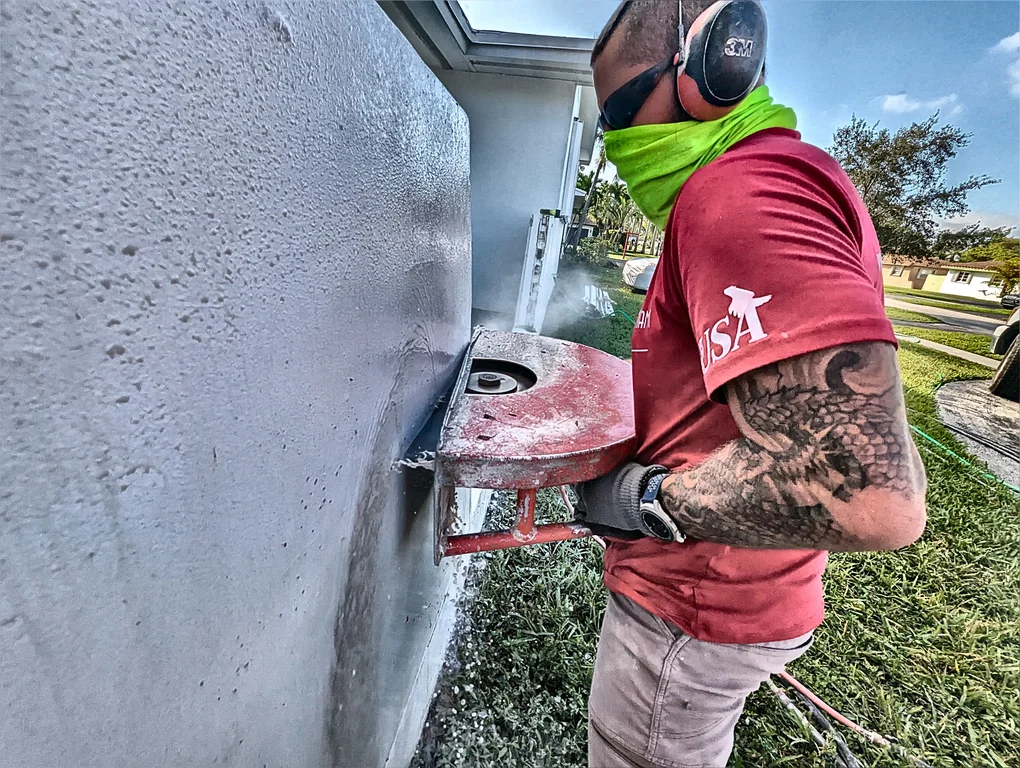
The concrete to be removed is cut along its boundaries using a flat saw or walk-behind saw with a diamond blade. This creates a clean, straight separation line between the concrete being removed and the concrete being preserved. For thin slabs (4-6 inches), this is a single pass. For thicker slabs or walls, multiple passes may be needed. The cutting step is what prevents the vibration damage discussed above — the removed section is physically separated from the structure before any breaking force is applied.
Step 3: Sectioning for manageable removal
Large slabs are cut into sections — usually 2-foot by 2-foot or 3-foot by 3-foot squares depending on concrete thickness and access. A typical 4-inch concrete slab weighs about 50 pounds per square foot, so a 3-foot square section weighs roughly 450 pounds. Sectioning makes the pieces small enough for manual handling or small equipment without risking property damage during removal.
Step 4: Controlled breaking if needed
After the perimeter and section cuts are complete, the separated sections may need breaking to reduce size for debris removal. This is done with handheld breakers or small excavator-mounted hammers — but because the sections are already physically separated from the structure, the vibration does not transfer to the surrounding concrete. This is the critical difference from breaking uncut concrete.
Step 5: Debris loading and disposal
Concrete debris is loaded into dumpsters or trucks. In Miami-Dade, concrete is classified as construction and demolition debris and must go to a permitted C&D disposal facility or recycling center. Professional contractors handle this — property owners should not have concrete debris in their regular trash pickup. The disposal manifests should be available if you request them.
Step 6: Site cleanup and surface preparation
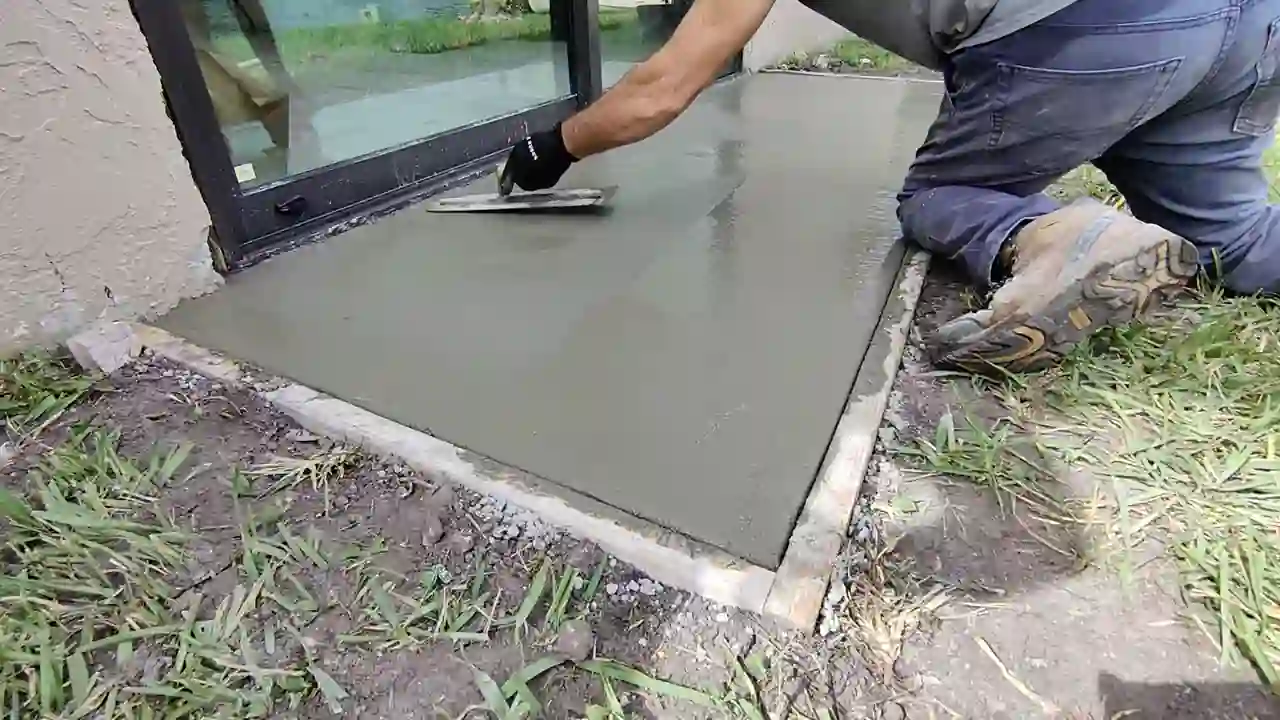
After removal, the site is cleaned of concrete dust, aggregate fragments, and slurry residue. If the area is being prepared for new concrete, the exposed edges are inspected for condition. If rebar is exposed and reusable, it is cleaned and prepped. If it is damaged, it is cut back and the area is prepared for new rebar doweling into the existing concrete.
What concrete cutting and removal costs in Miami
Cost varies significantly by scope, but Miami property owners can expect these rough ranges for professional concrete cutting and removal:
- Small slab section removal (patio, walkway): The price depends on square footage, concrete thickness, rebar content, and access for equipment.
- Driveway removal: Pricing reflects the larger square footage and thicker concrete (typically 6 inches vs 4 inches for patios).
- Pool deck removal: Added complexity from working adjacent to pool structures and coping.
- Interior slab cutting for plumbing trench: Higher cost per linear foot due to confined access, dust control requirements, and precision cutting around existing utilities.
The cost difference between professional concrete cutting and removal and the brute-force approach is often modest — a few hundred dollars on a small job, perhaps a couple thousand on a large one. That difference buys you a clean separation line, no vibration damage to surrounding structures, proper debris disposal, and no surprises when the saw blade hits something unexpected underground. The alternative can cost you a building repair, a code violation, or both.
Questions to ask before hiring for concrete cutting and removal
- “Do you GPR scan before cutting?” The only acceptable answer is yes, with their own equipment or a subcontracted service.
- “How do you handle slurry containment?” They should describe vacuum systems, berms, or both. “We hose it down” is the wrong answer in Miami-Dade.
- “Will you section-cut before breaking?” If they plan to jackhammer directly without saw-cutting the perimeter first, find someone else.
- “Where does the debris go?” They should name a specific C&D disposal facility or recycler.
- “Do you handle permitting if required?” For structural modifications, the answer should be yes. For simple slab removal in non-structural areas, permits may not be required but the contractor should know the difference.
Concrete cutting and removal done correctly is invisible — the old concrete is gone, the surrounding area is undamaged, and the site is ready for whatever comes next. Done incorrectly, it is the most expensive money you ever saved. Hire a company that cuts first, removes second, and cleans up third. That is the only sequence that works.